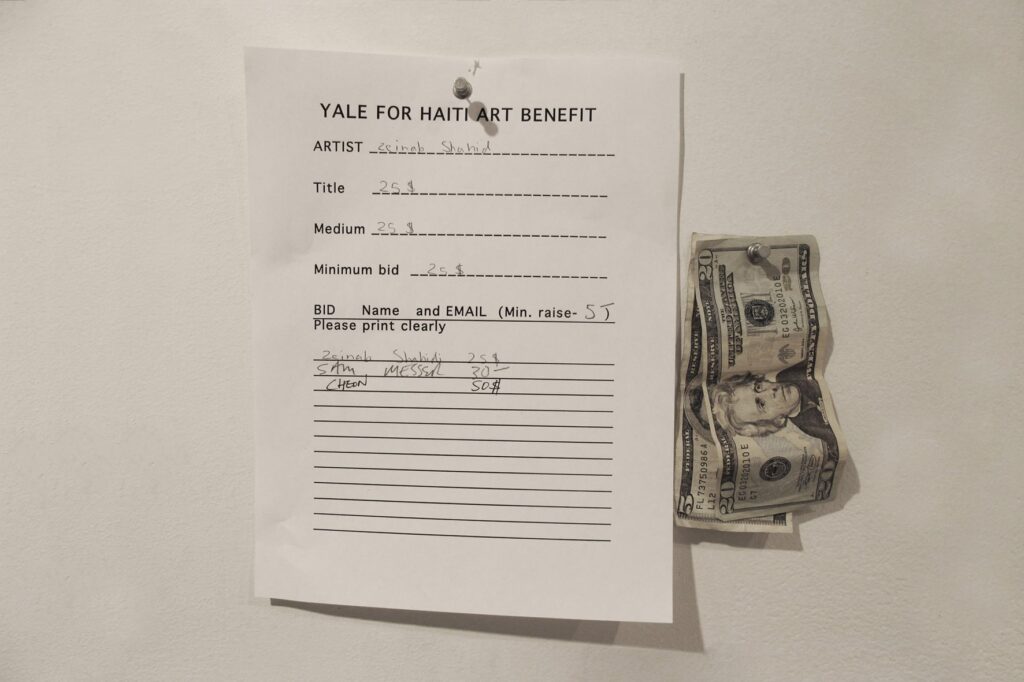
25$
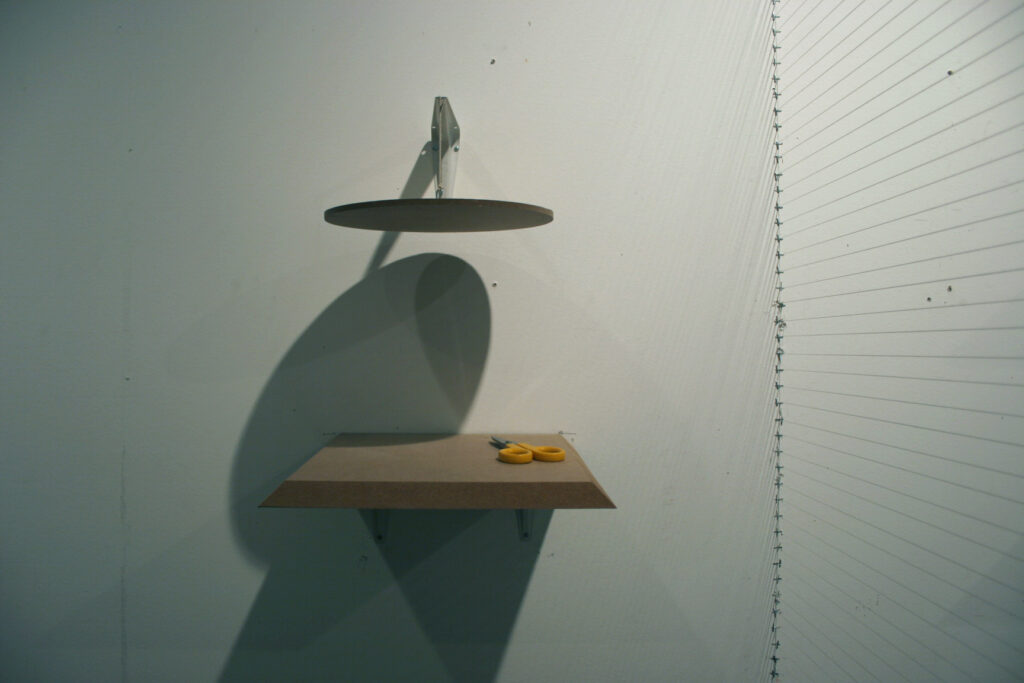
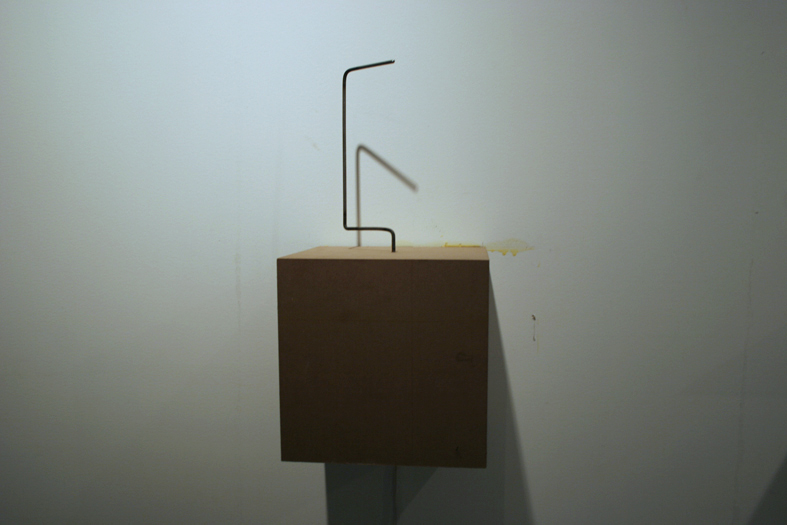
For Haiti’s earthquake Yale organized an Art auction exhibition. As you can see, by every work there was a photocopy including the title, the medium and the minimum bid. I helped Haiti like every other individual, artist or not. I pinned the cash on the wall and wrote the first bid as the same amount as the cash. So, I helped Haiti directly without applying to the “artist” role assigned to me. Anyone who wants to follow my lead in helping the people of Haiti can add his or her help to this amount and get my money back.
The Same as Last Title
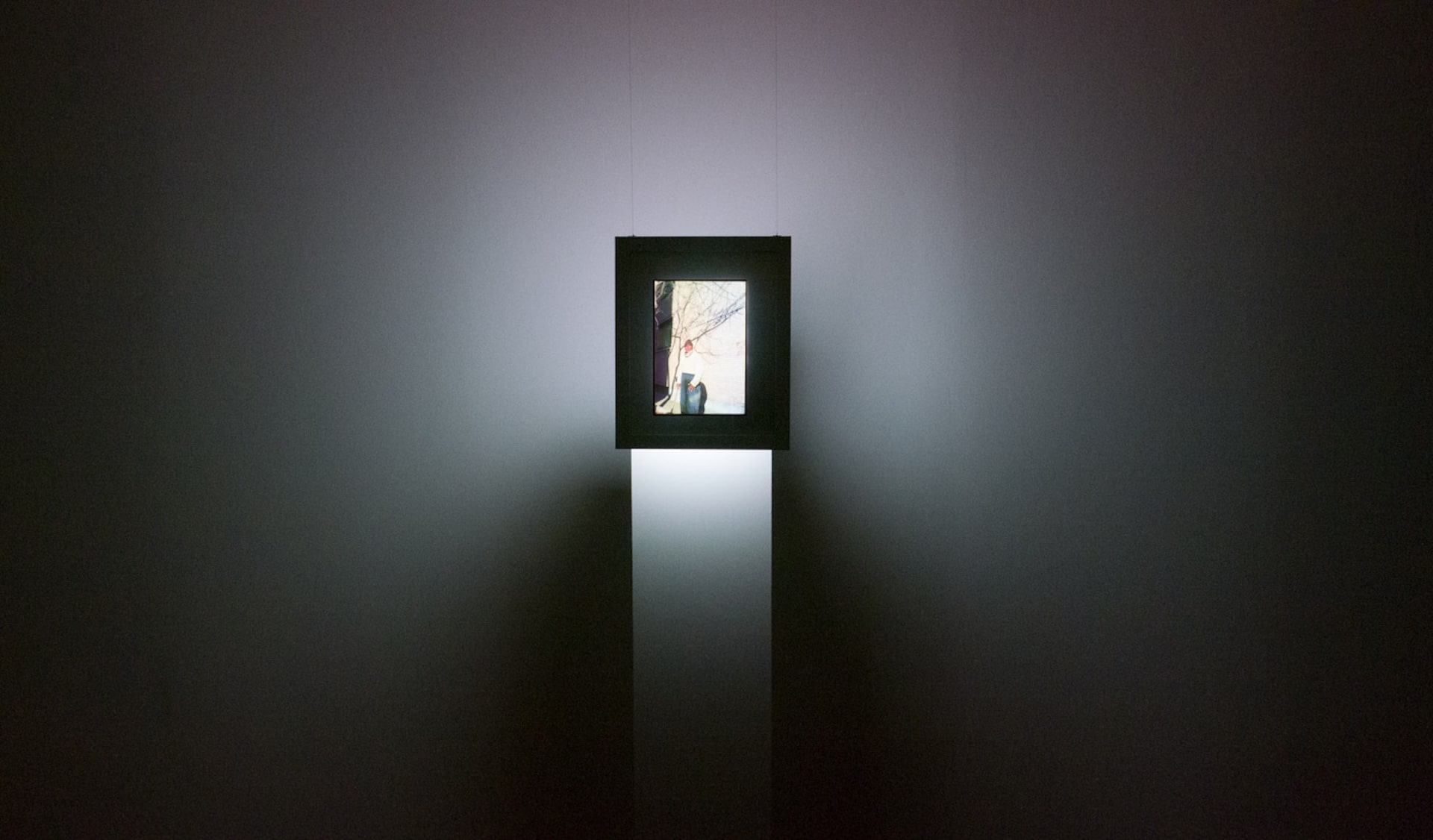
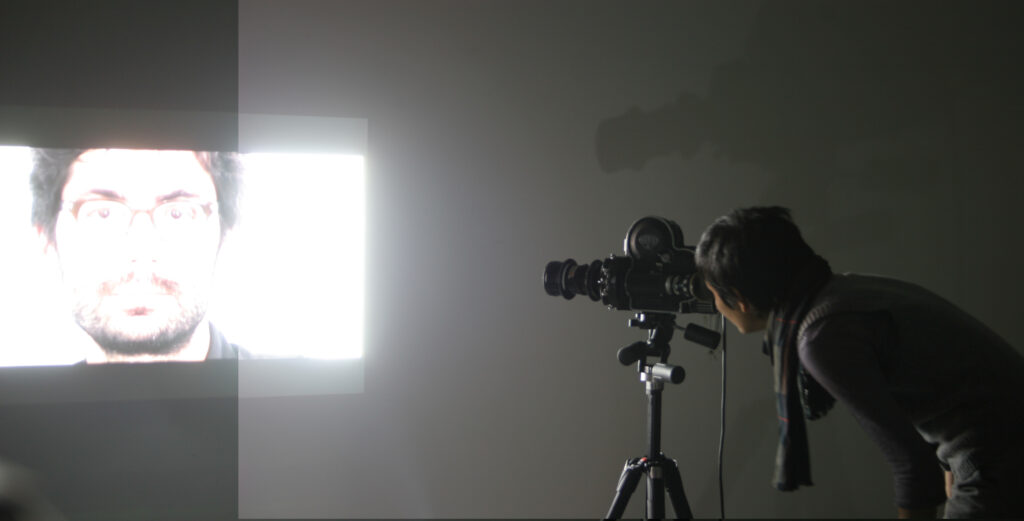
The video shows the artist herself, looking at the camera with gestures that imply that she is responding to someone. There are black sections of different lengths edited into the footage. A two-way mirror leaning on the front of the monitor as the black segments appeared, reflects the image of the viewer, however the bright image sections of the video could be seen through the mirror.
The viewer by sitting in front of the monitor makes a living video, which bring forth a confrontation between the viewer in the present and the artist in the past.
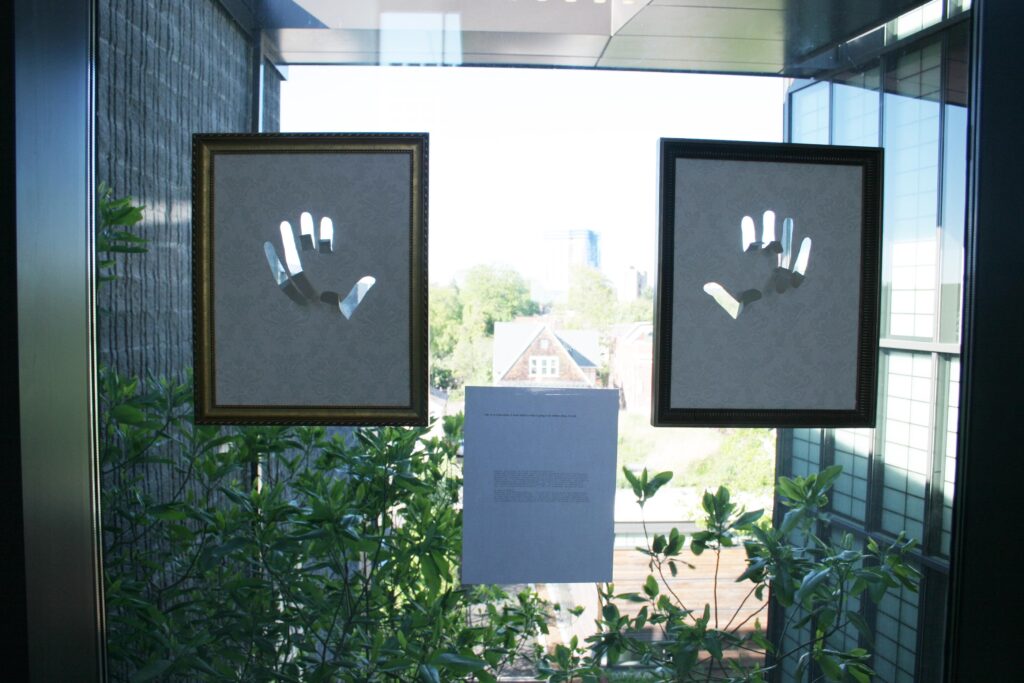
““
I invited my viewer to write about my work, but the work itself was supposed to be the text that he/she was going to write. I located the invitation (The Invitation: Ask /U/ to write about, A work which is what is going to be written about, A work) between the quotation marks that the fingers in the cut out hands make. The framed white wallpaper is over the glass of the frame; two hands are cut of from that. For me the quotation mark is one of those special moments in which the linguistic system works inversely. In language you have a sign to represent the notion of something including objects or behaviors in the real world. When we imitate the form of the quotation mark by our fingers what we do is create a behavior to represent signs and in fact we do the opposite of the linguistic process. This works exactly like writing about something, which the subject itself hasn’t created yet and it is going to be created by that text.
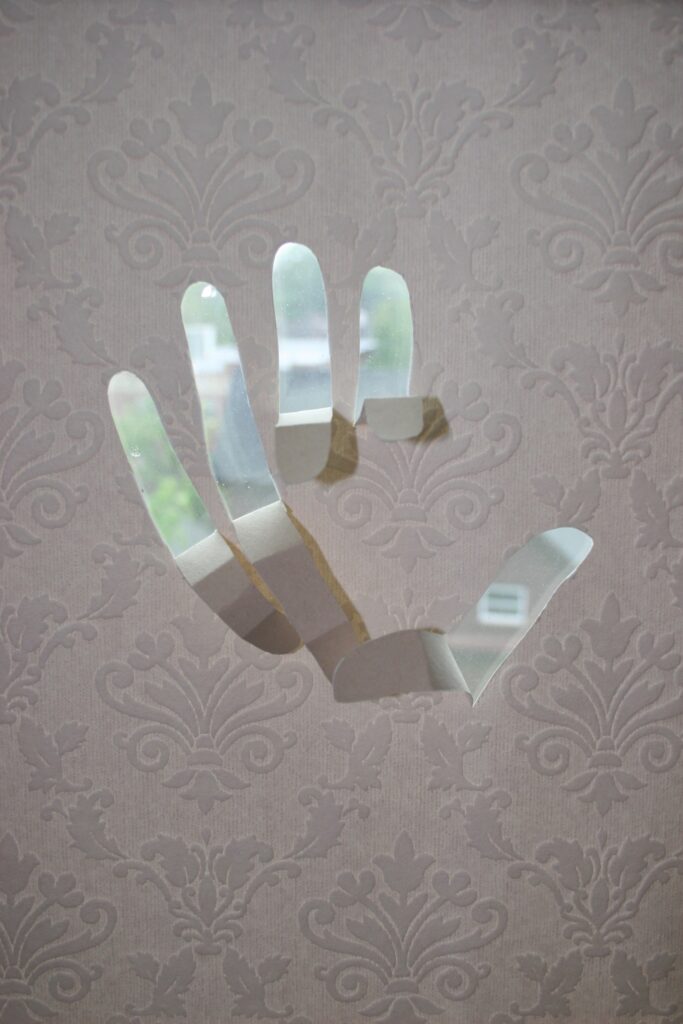
_U_
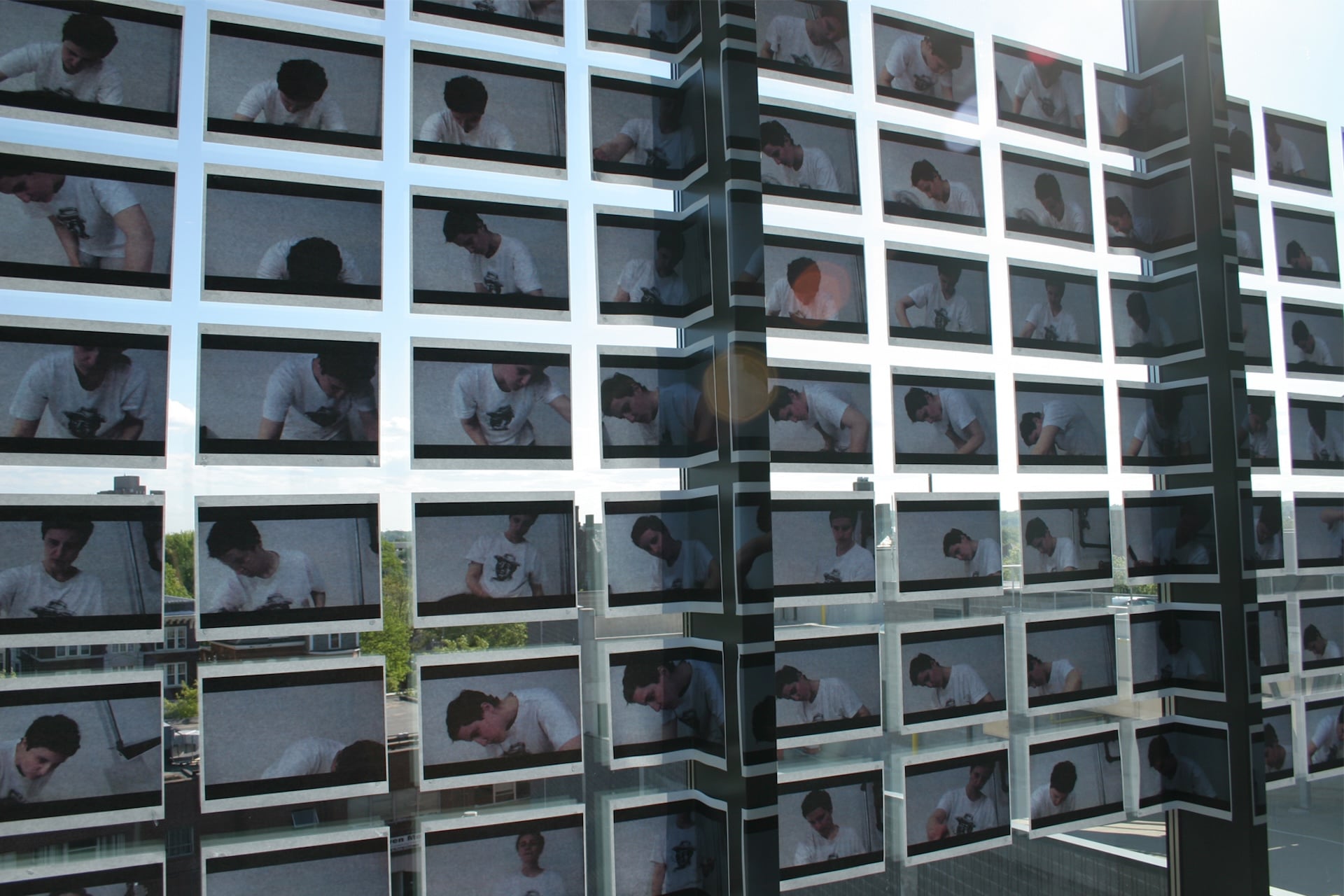
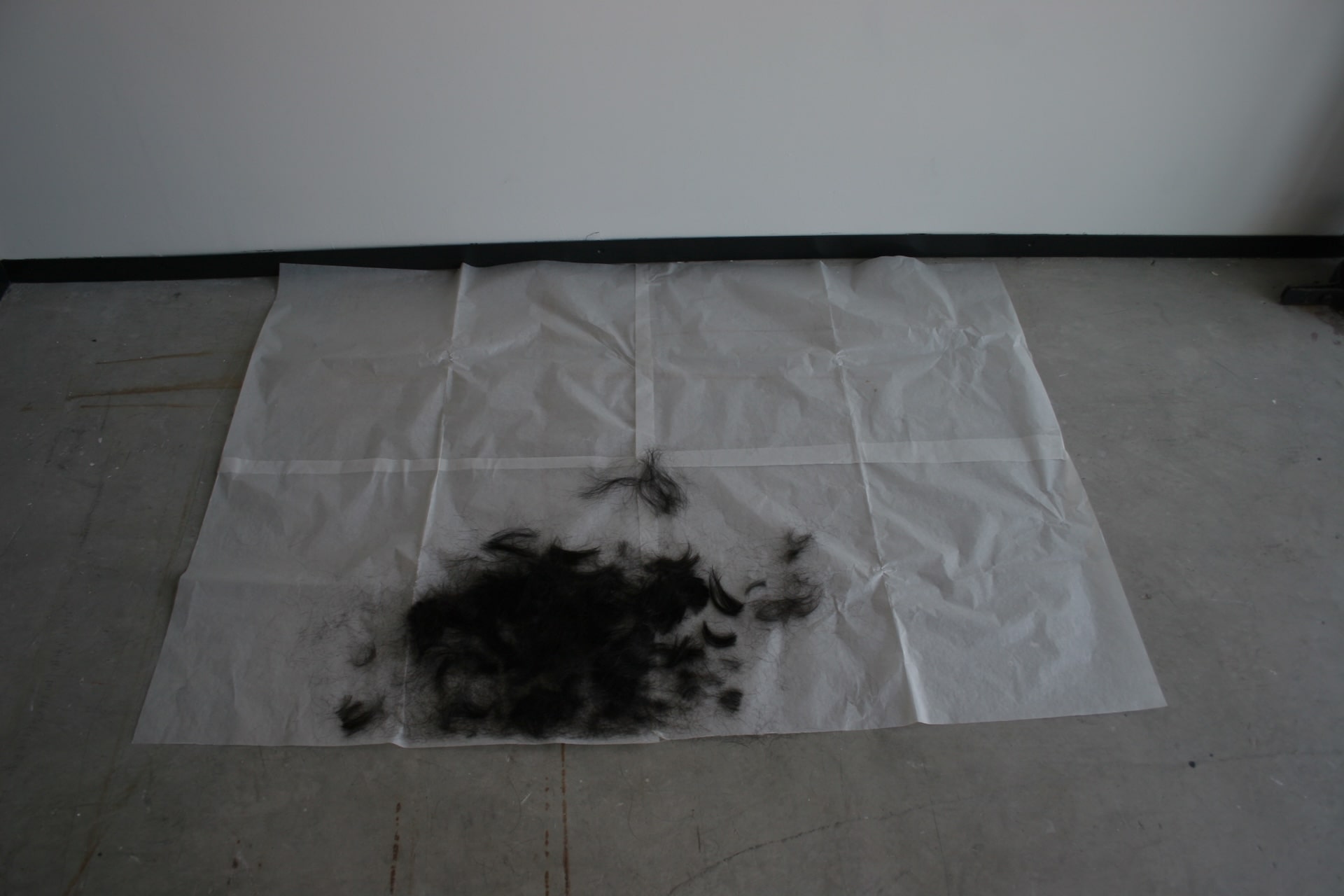
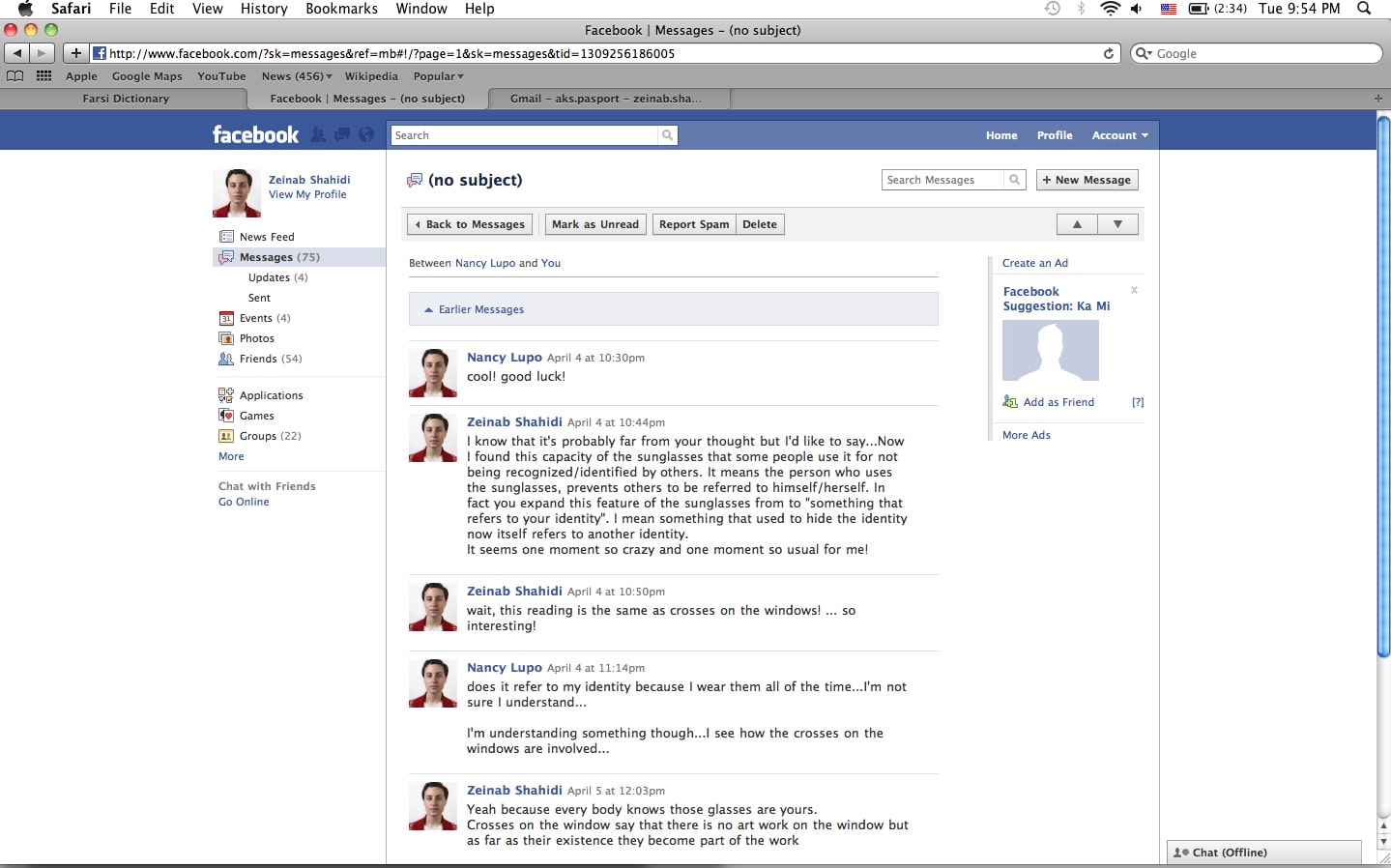
I asked the sculptor Nancy Lupo if she would allow me to shoot her face as a video but while she was giving me a hair cut. So the camera in my hand was inversely filming her, over my shoulder. The attempt of mine at that time was about how to make a “you” from the other. When the other changes into “you”, it means you have changed from he/she to “you” for him/her as well. Since you are in a confrontation with a live person both of you recognize your self by “you” as well as “I”. This is a situation of equality in which you might not be able to distinguish the two from each other. In this special condition two can really see each other. I was trying to make the same situation of equality between my viewer and myself to make the confrontation possible. What I did was invite her to use me as her material while what she was being used by me for my footage. The other part of the project was changing my profile picture in Facebook with her picture, for a while.
To present the whole work I printed all frames of the video. It was like the documentation of the video, not itself like the haircut on my head while I was there, as a documentation of her work.
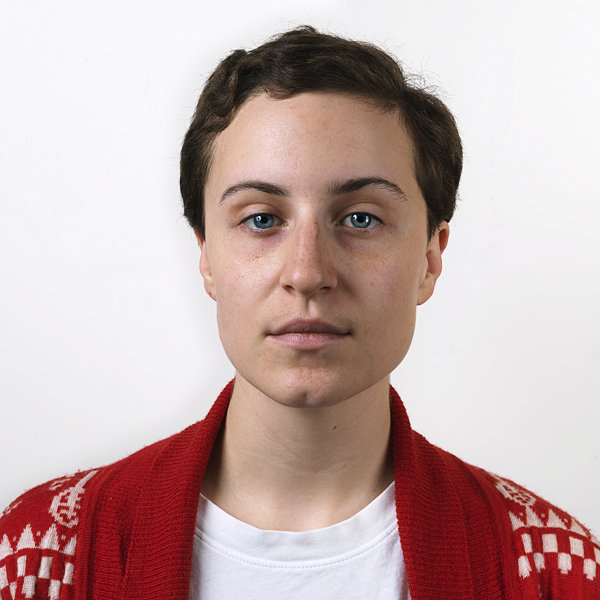
Title
This is a set of sight specific photographs inside my studio, which have been taken from the same place as they are sitting on. I printed them in a real size.

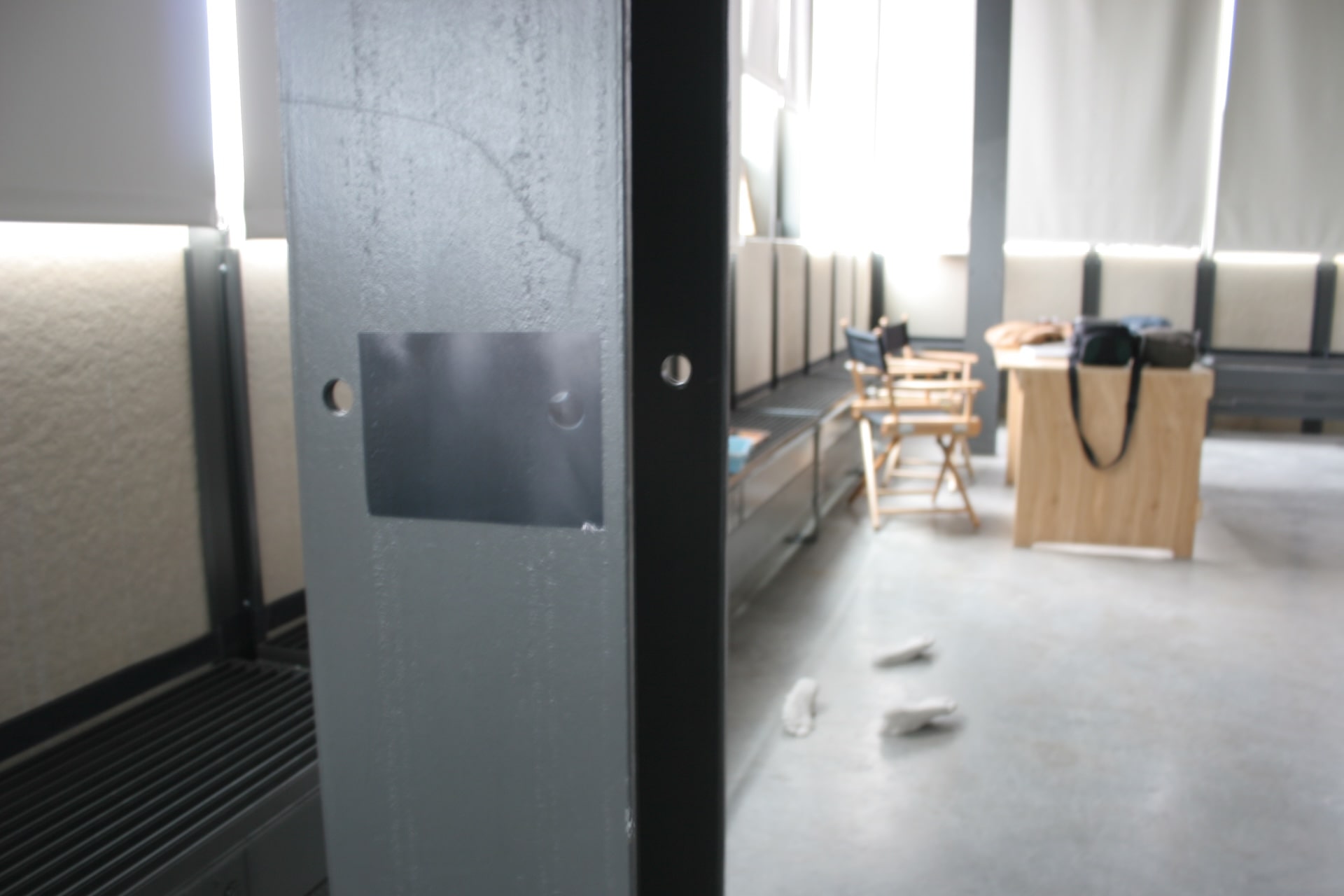
Histories
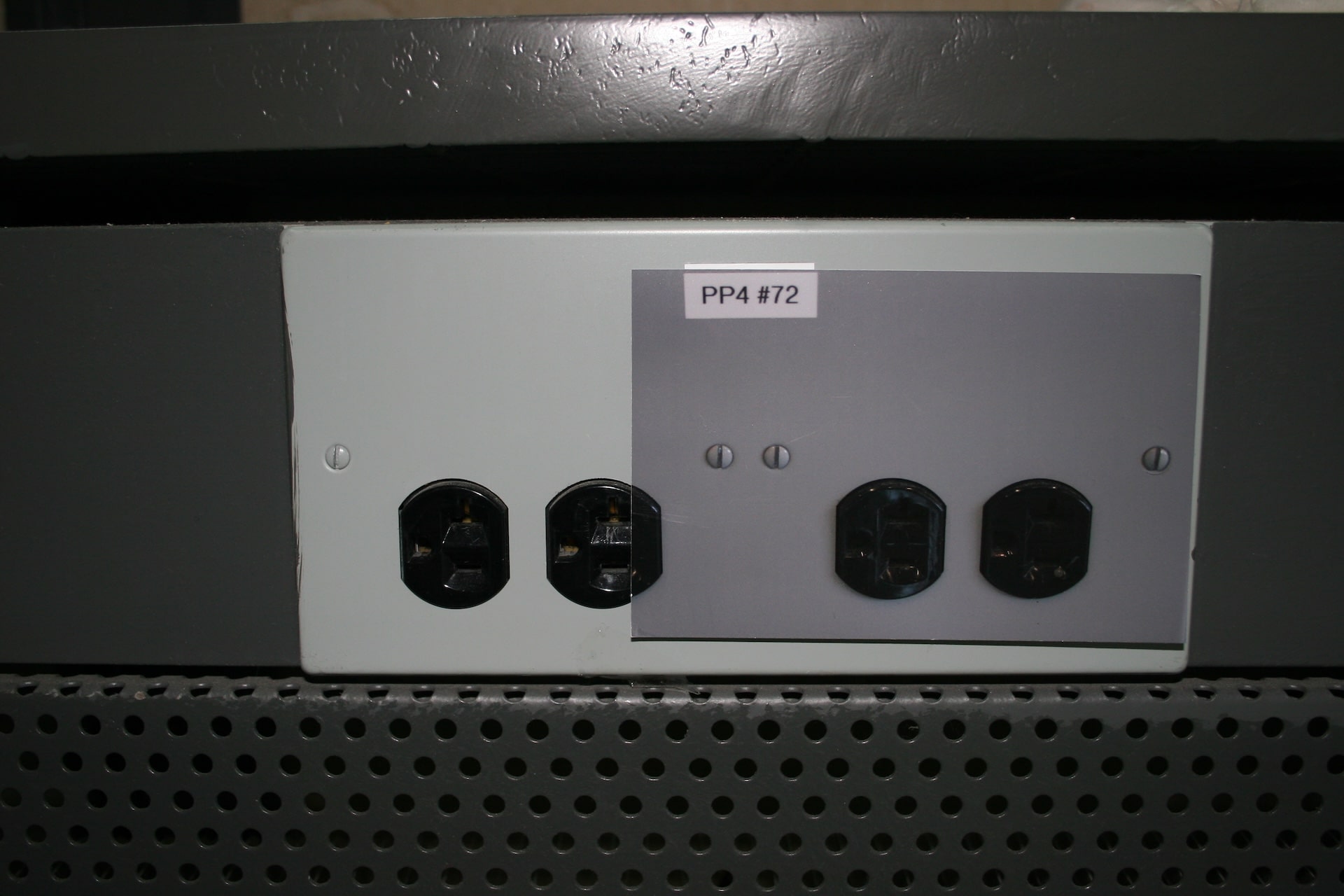
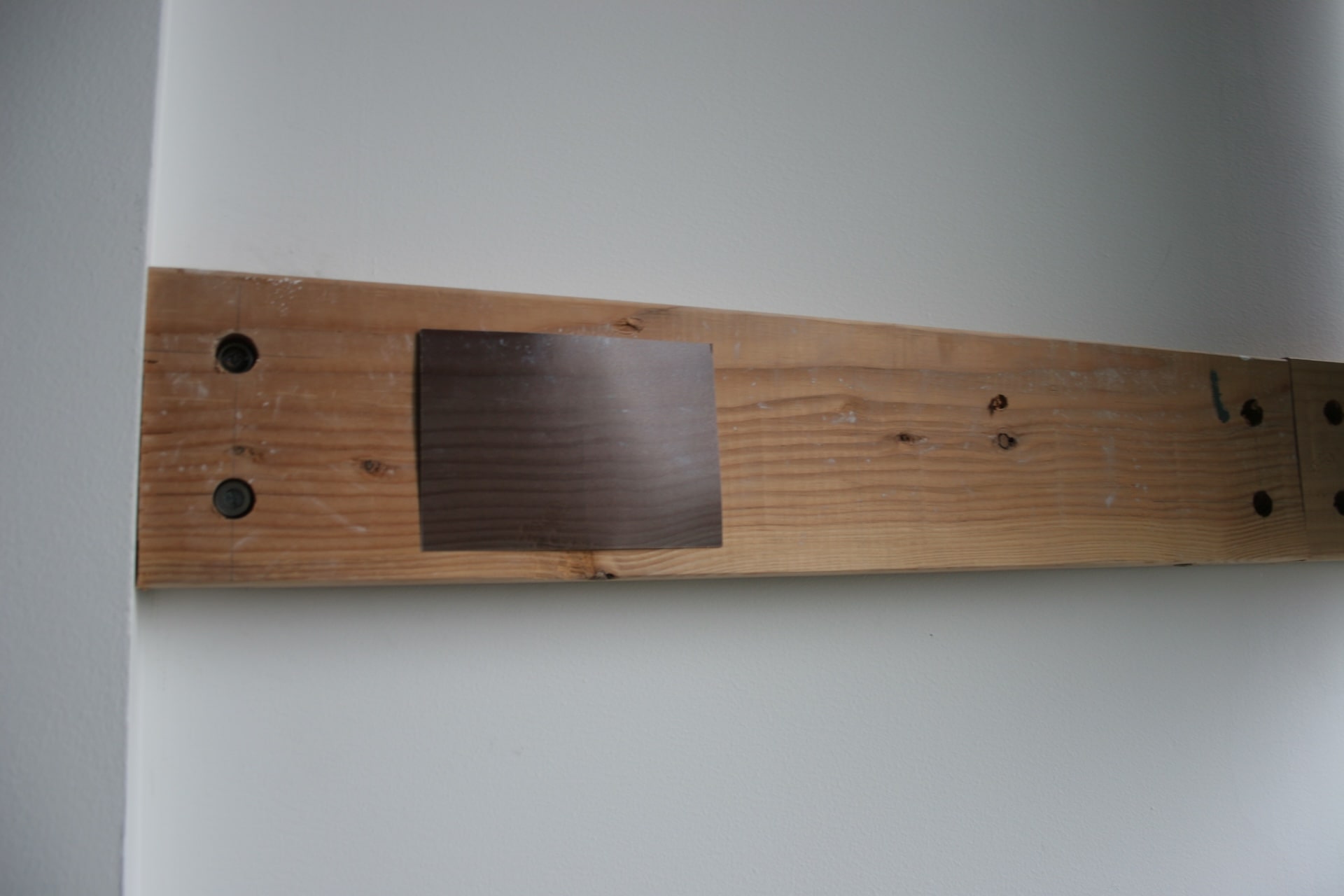
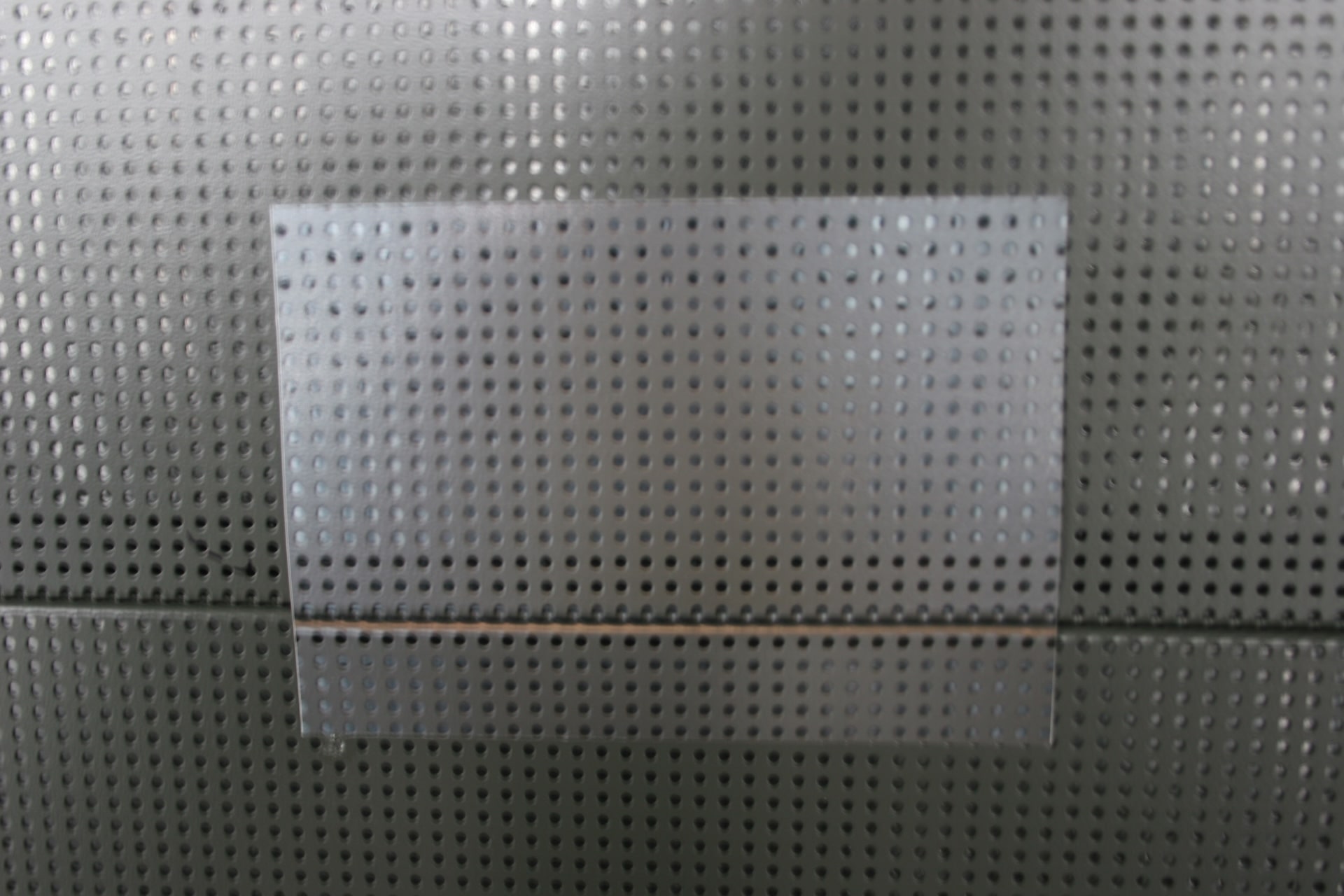
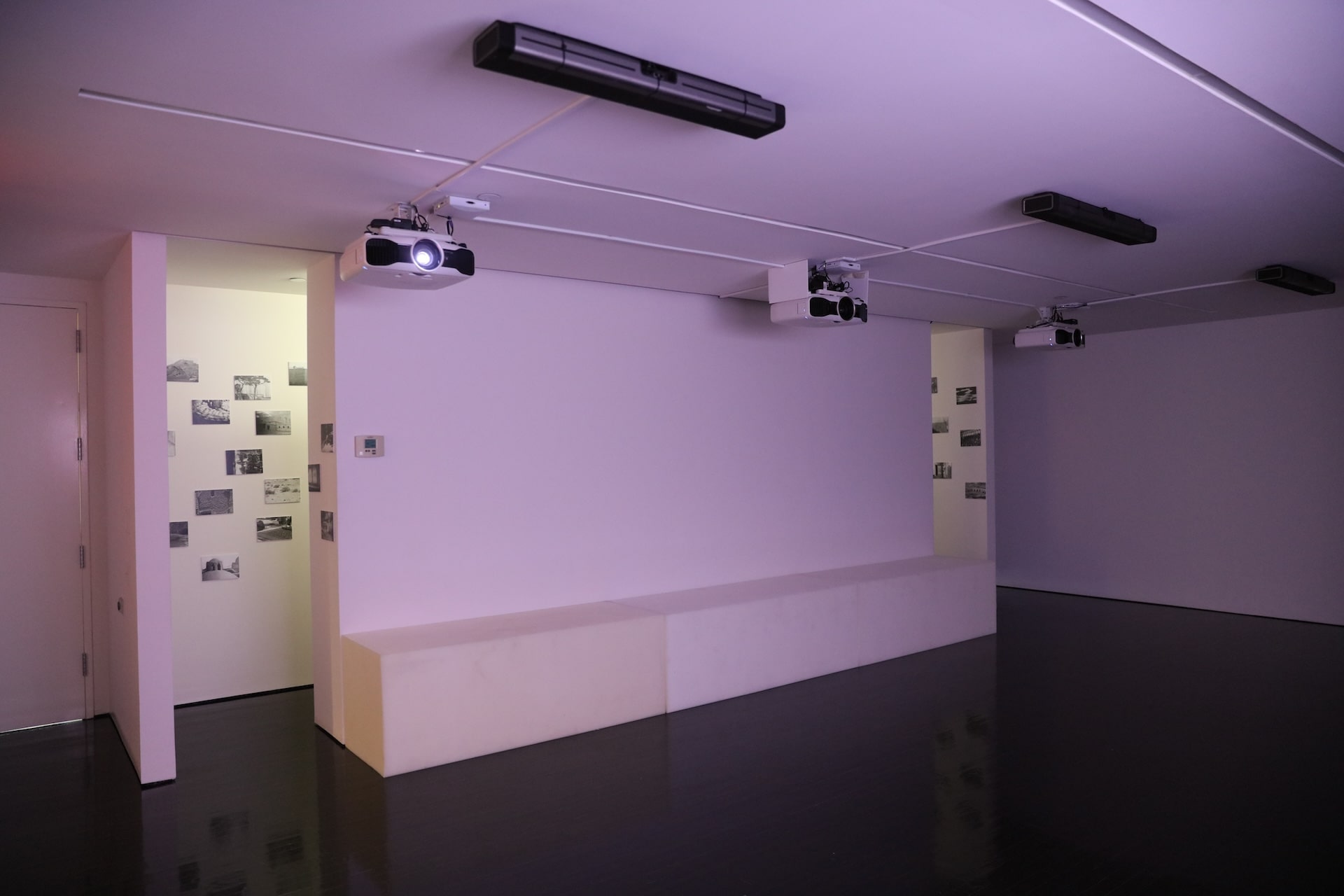
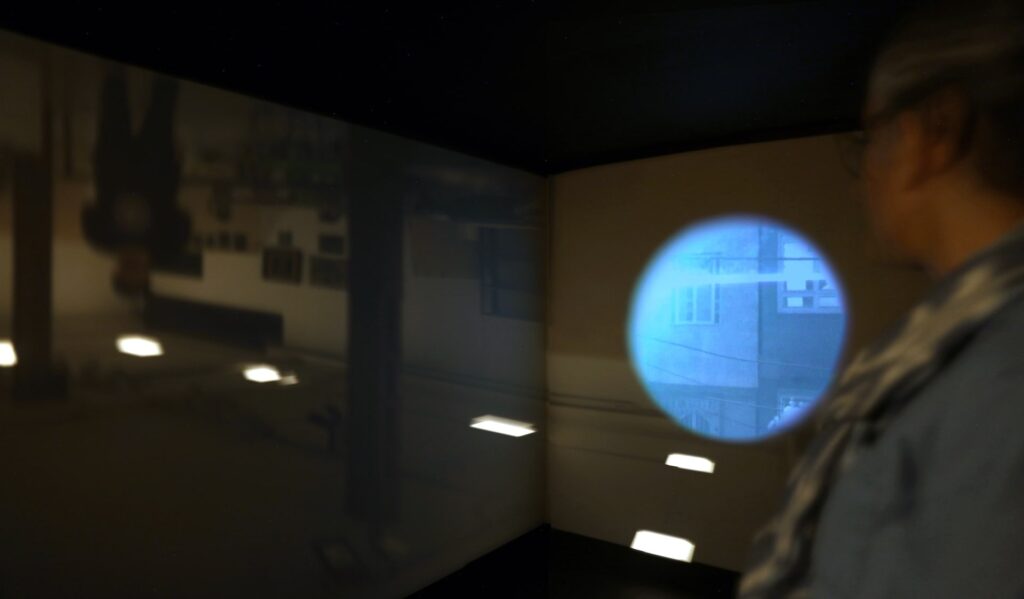
Histories interrogates the complexities of memory and politics of history through the display of video projected interviews and cropped archival photographs. My investigation into the contours of memory is rooted in an extensive research on the origins of my last name Shahidi Marnani (martyr of Marnan). The martyred ancestor had been executed in Isfahan apparently by the religious authority accused of being Baha’i, in the late 19th century. Over a period of two years, I spoke to relatives in my hometown Isfahan to trace the untold story of this incident. In three video projections, we are presented with recorded testimonies from six relatives each telling a different story. The montage weaves together the contradicting narratives, not to unravel a truthful image of the past, but to foreground the complex process of remembrance and as an act of archiving lost histories.
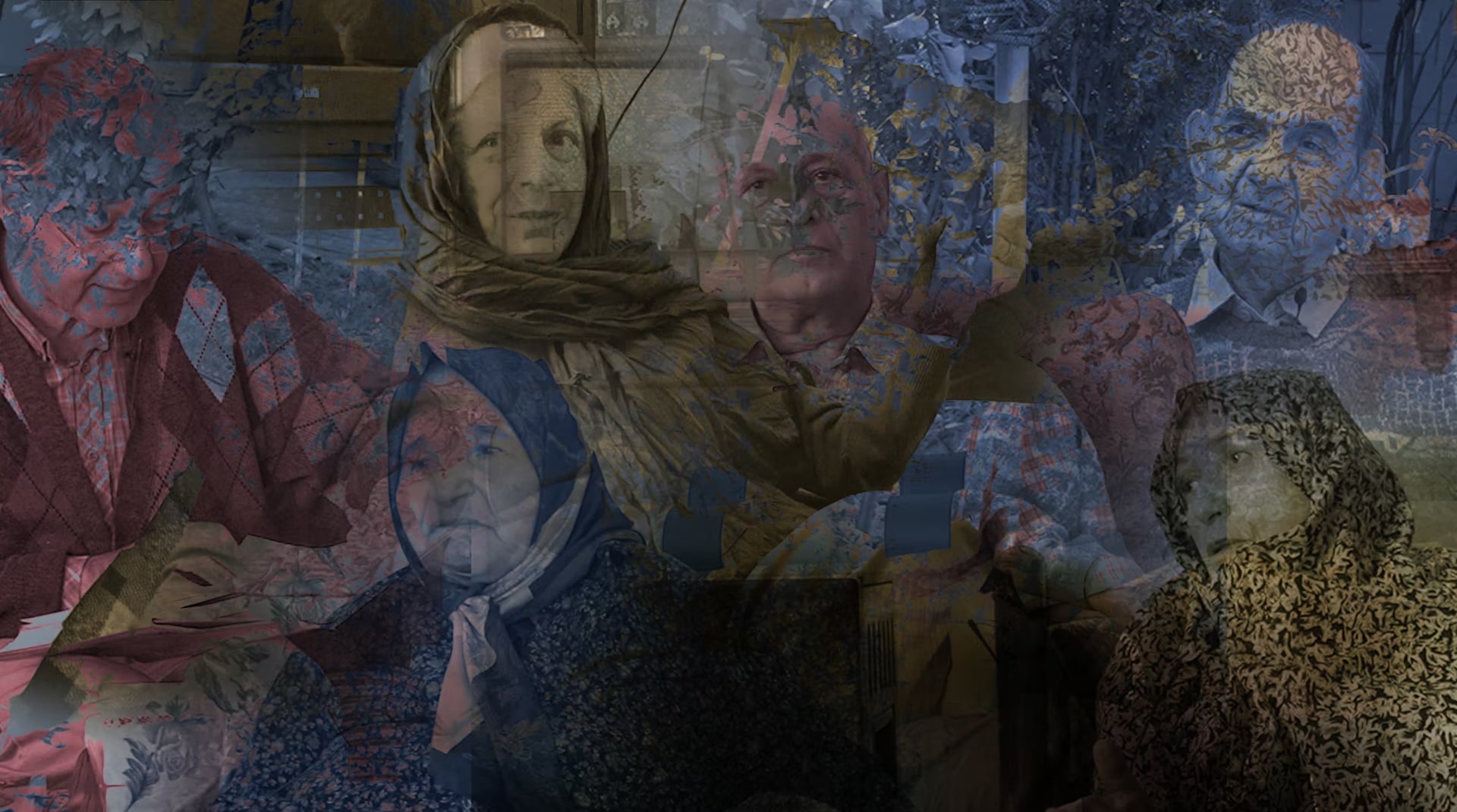
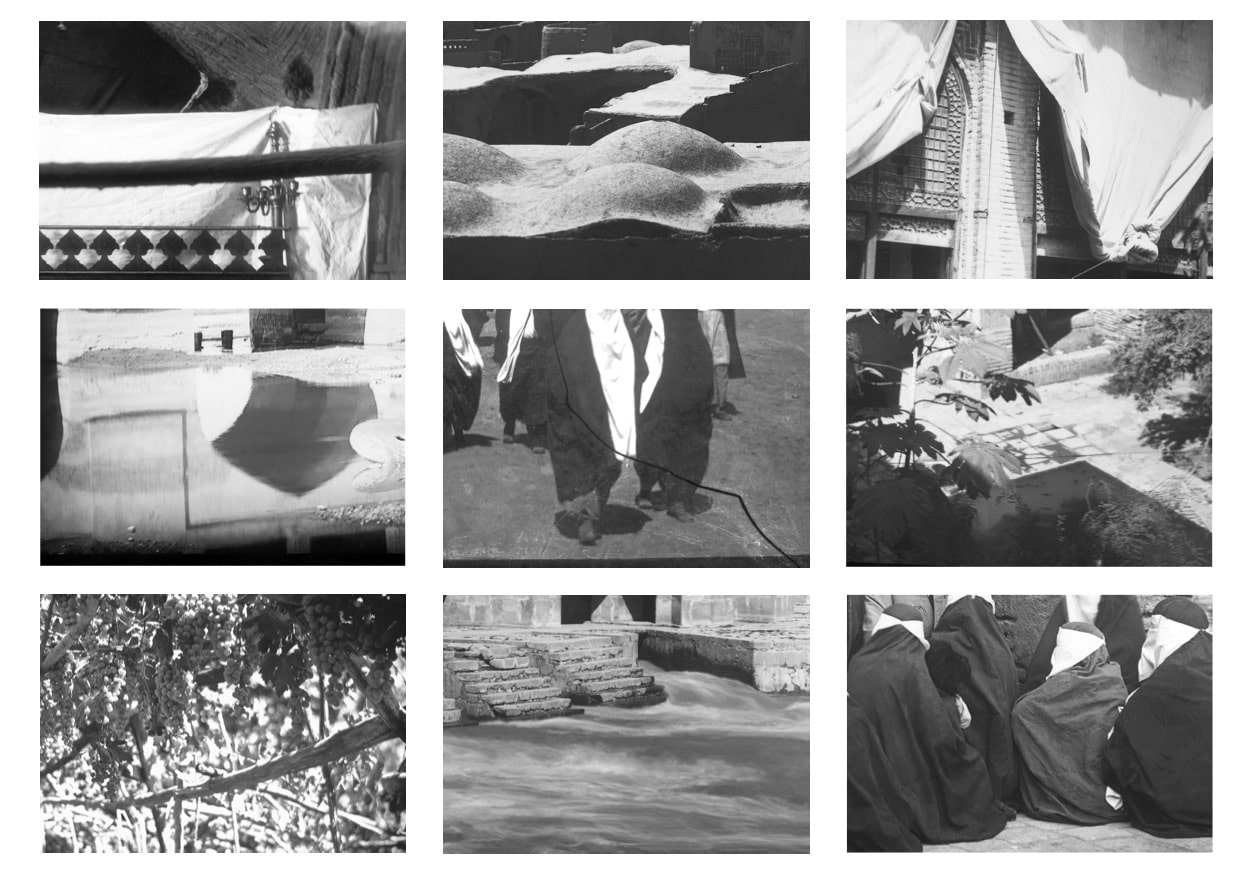
Photo samples
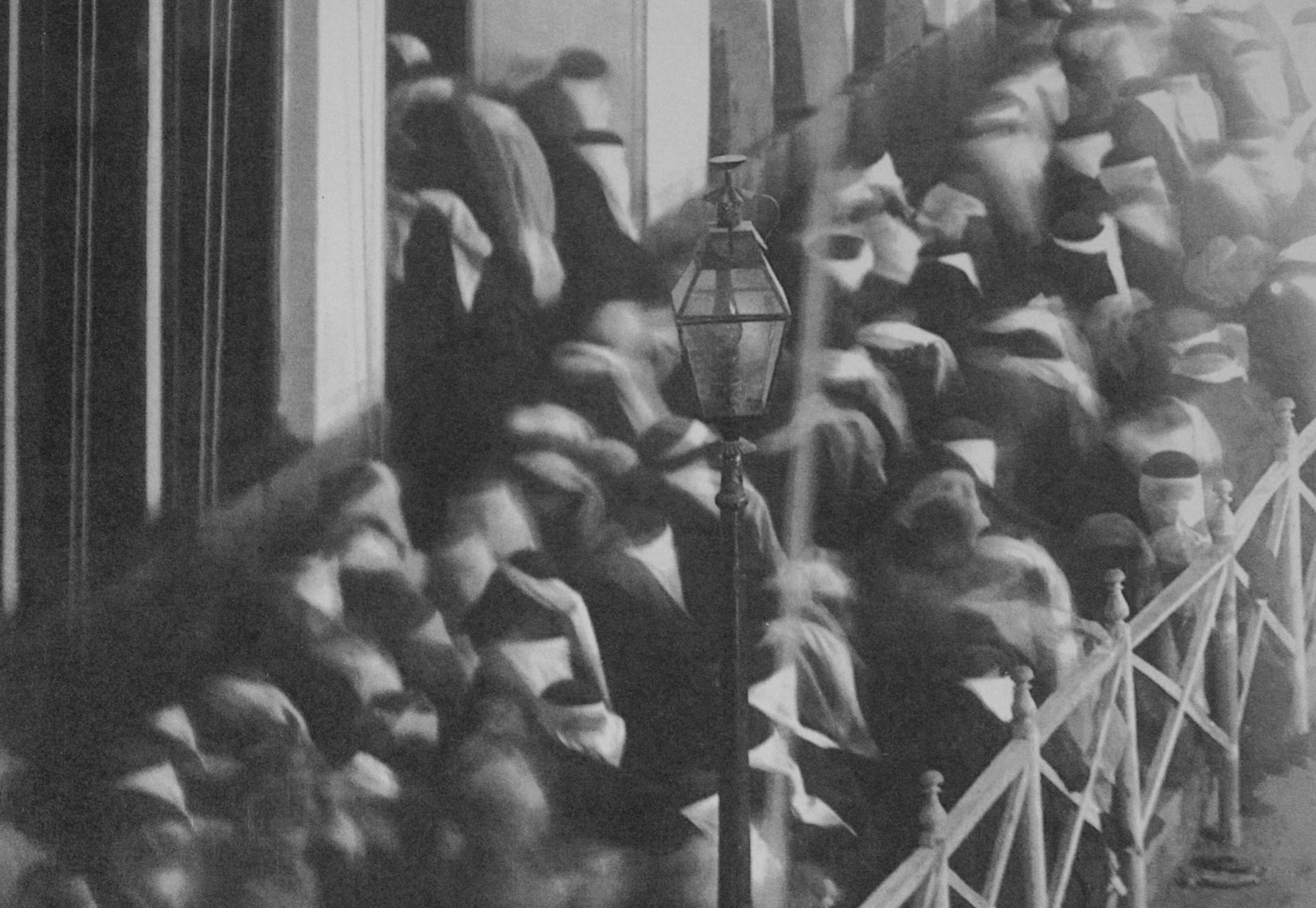
The ghostly quality and erratic placement of the documents offer a glimpse into the place and era in question while bringing forth the texture and nature of distant memories. As an archive of oral testimonies and photographic documents displaying what seems as ambiguous and lost fragments from the past, histories opens a new space for documenting and discussing forgotten memories and their relation to the present.


An eye in the eye
Material: Found sculpture, Black fabrics, A lens
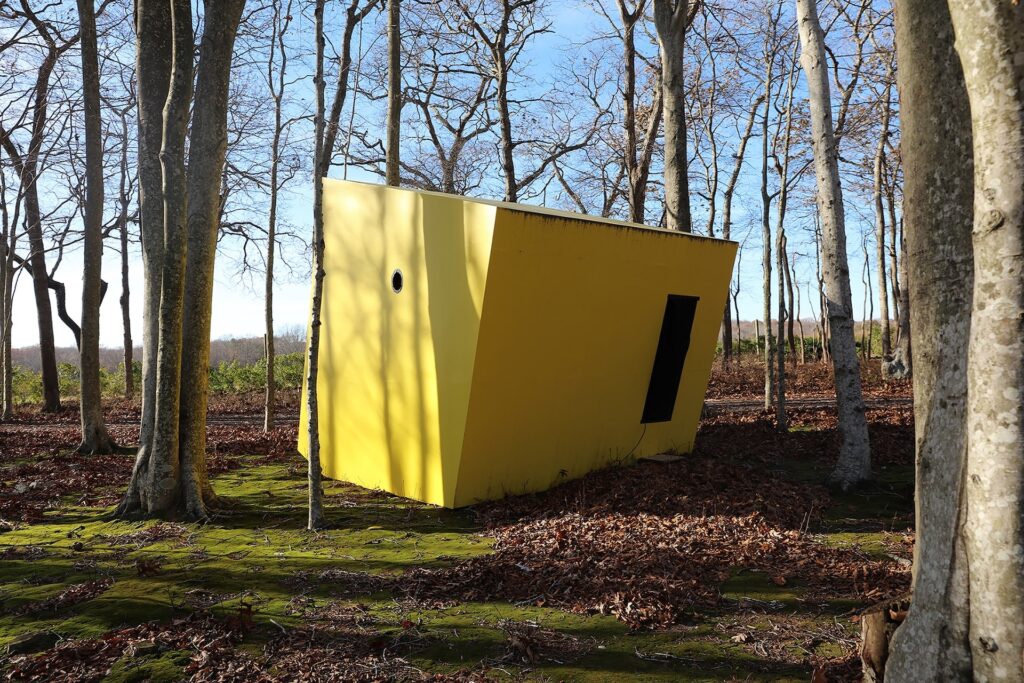
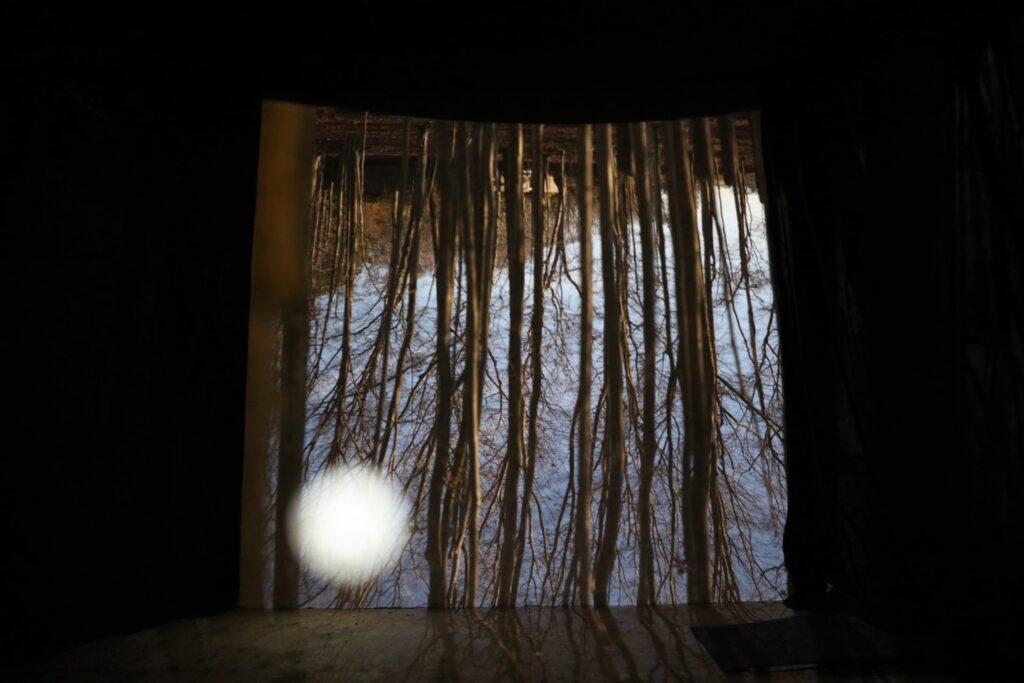
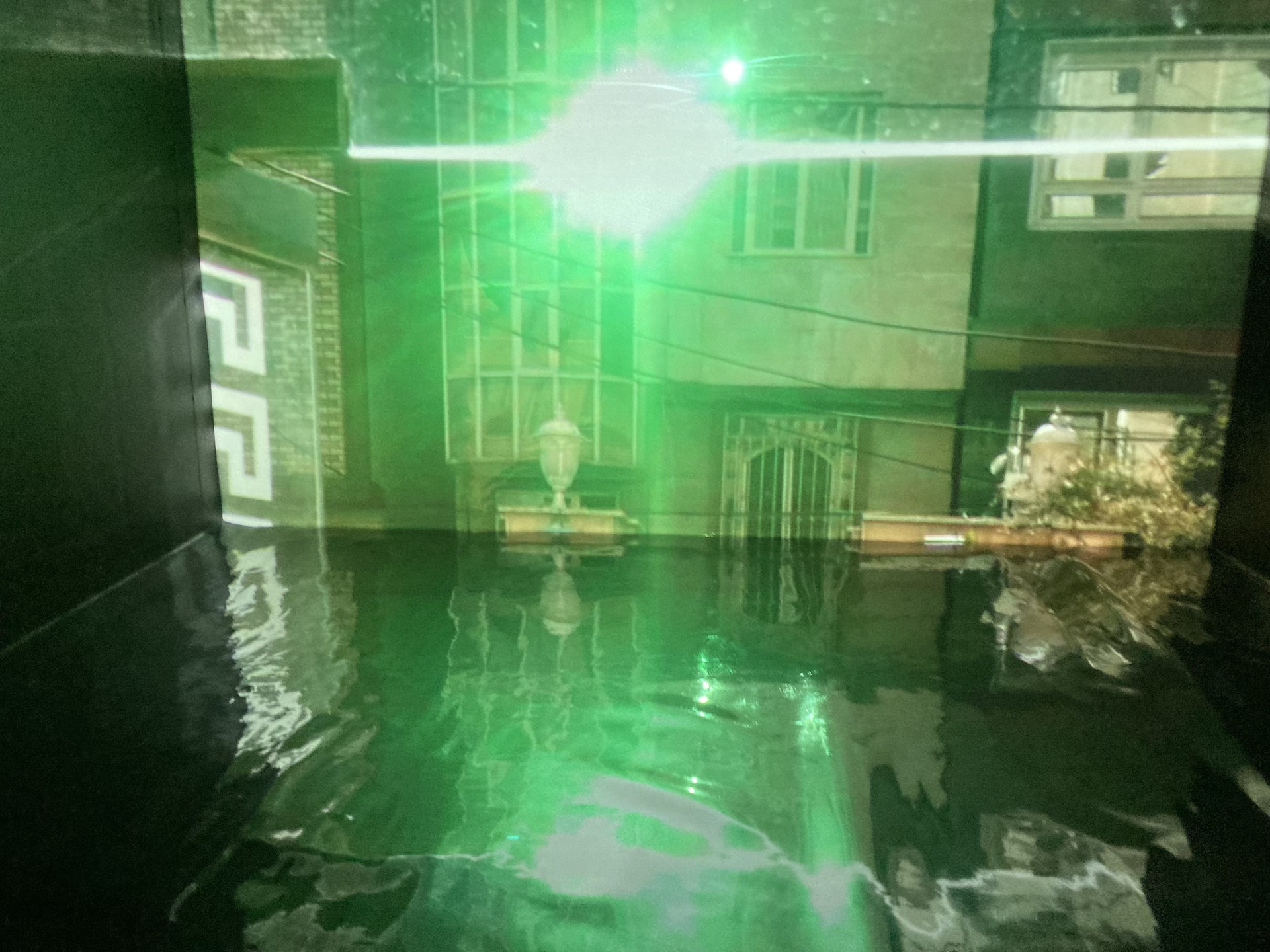
As I entered the Watermill Center in September 2020, I found a a room size sealed diagonal yellow cube at the middle of the wood. It was a sculpture made by a former resident, as an alien kind of vehicle just landed on the field, and it was going to be de-installed pretty soon. I decided to practice making a camera obscura using the structure. I opened up the cube, made a doorway, and built up a flat room inside, and covered the inside by black fabric. After adding the right lens, it projected the live reflection of the wood inside.
Inside the room
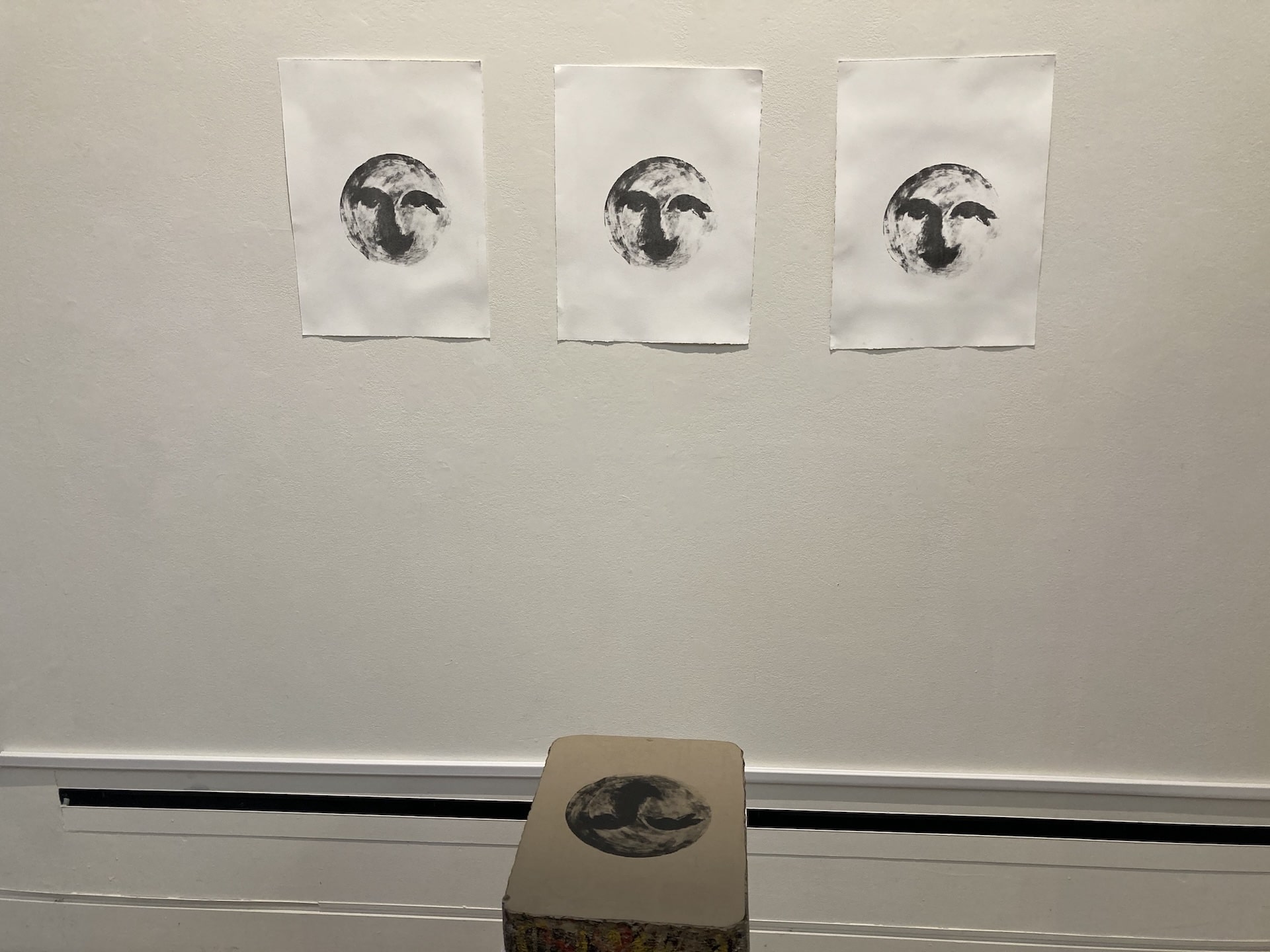
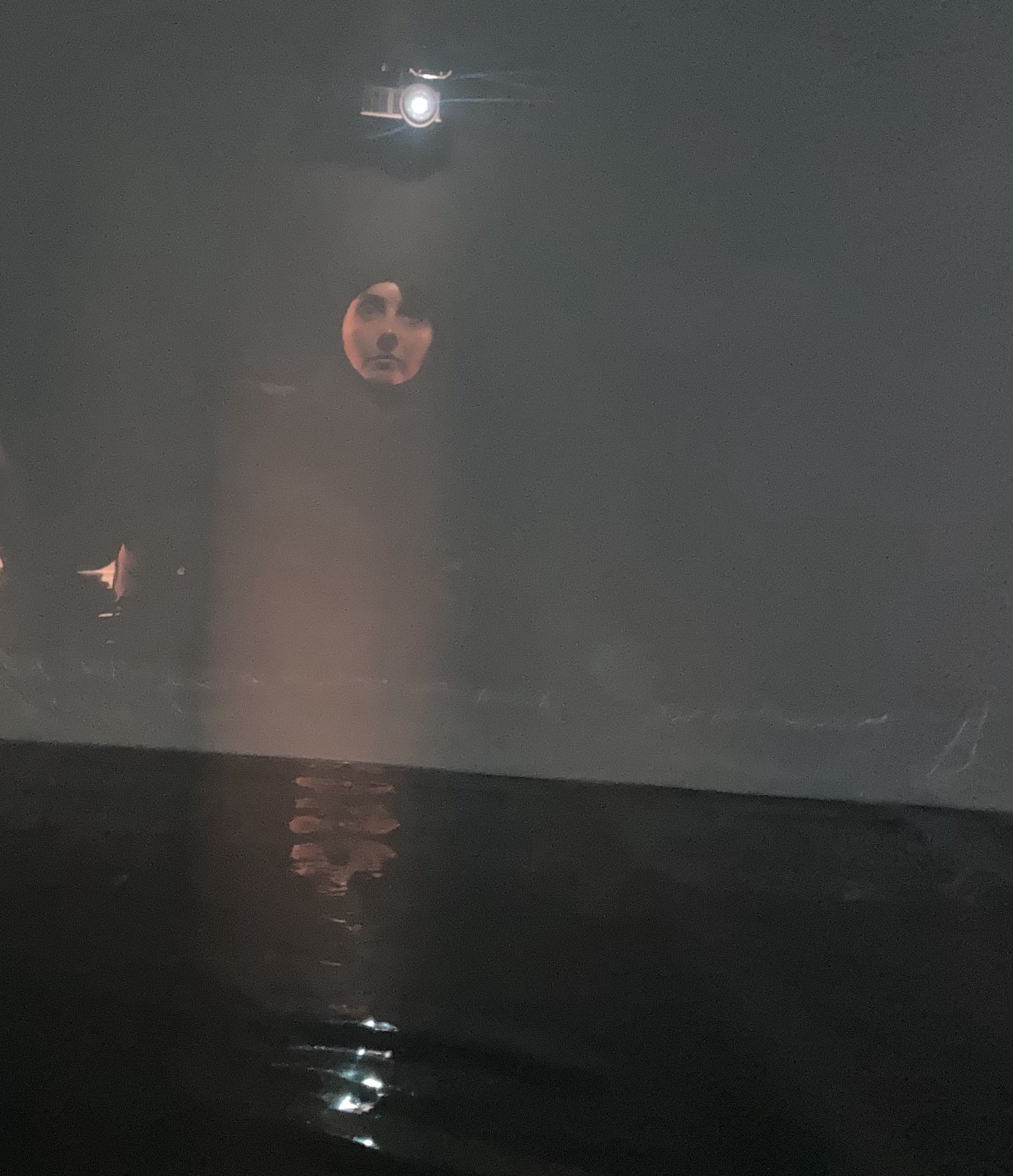
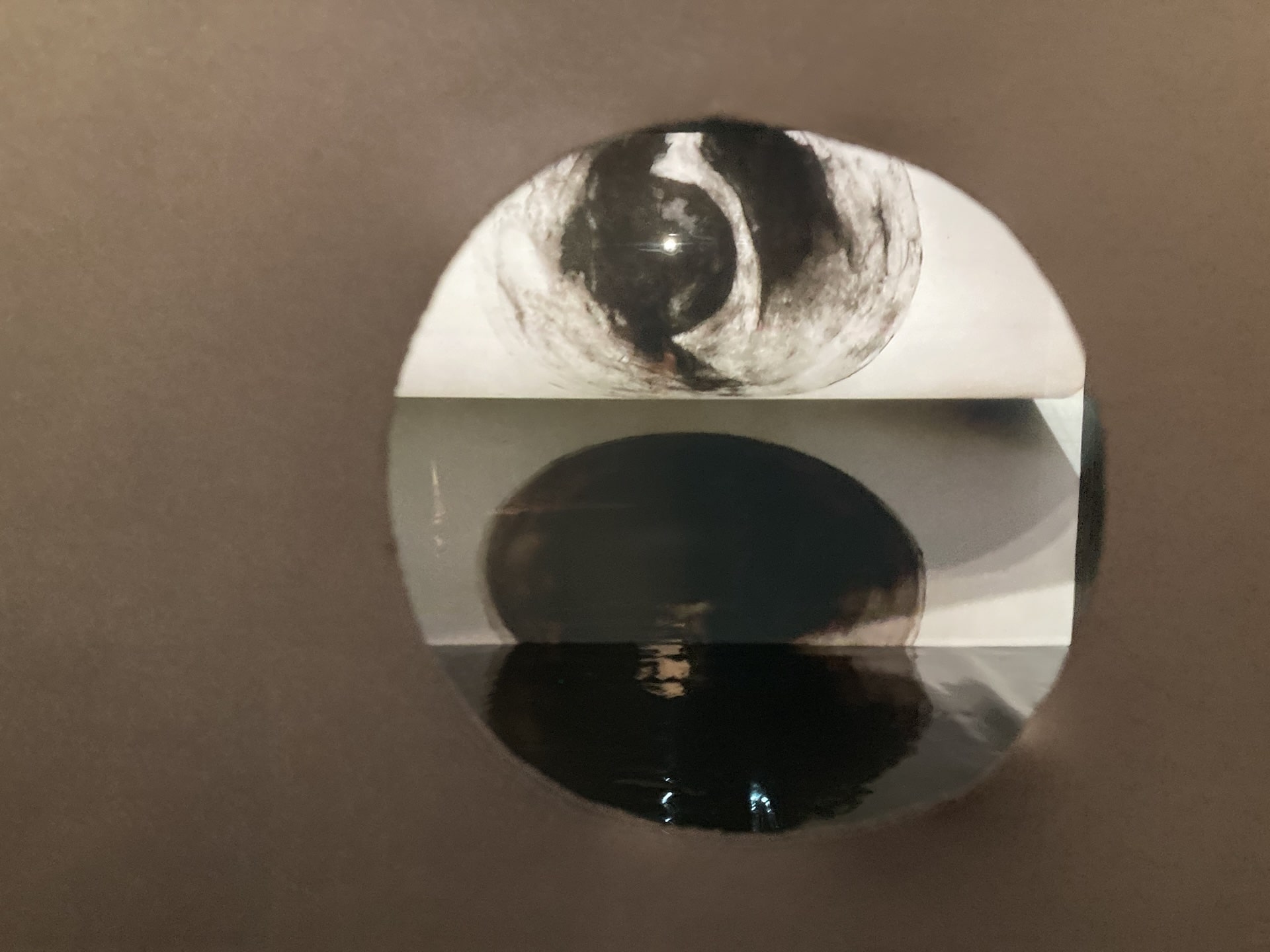
Due to the total darkness of the room, during the daylight one could see all little movements of the trees, but the decrease of light passing through the small hole made the reflected live image as if it was the night time. I made a wooden box, to place the video projector and made a small round hole at it, in order to seal the extra lights as much as possible. So the box cropped the central circle of the projected video, I had made earlier. The round shape video projected on the bottom of the screen, played the moon role for the upside down live reflection of the woods.
Selected video frames
The video revealed the constant reflection of the sun on the sea waves, despite their movements, and the rapid motion of the ship I was shooting from. The video plays for 40 seconds, and loops after 20 seconds of black segment which still looked bright within the completely darkroom.
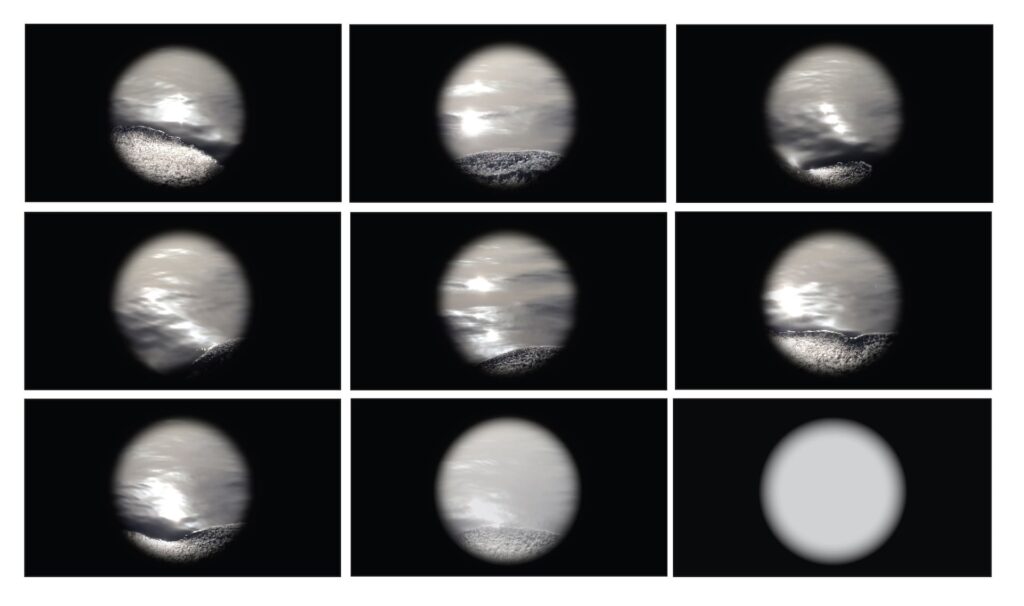
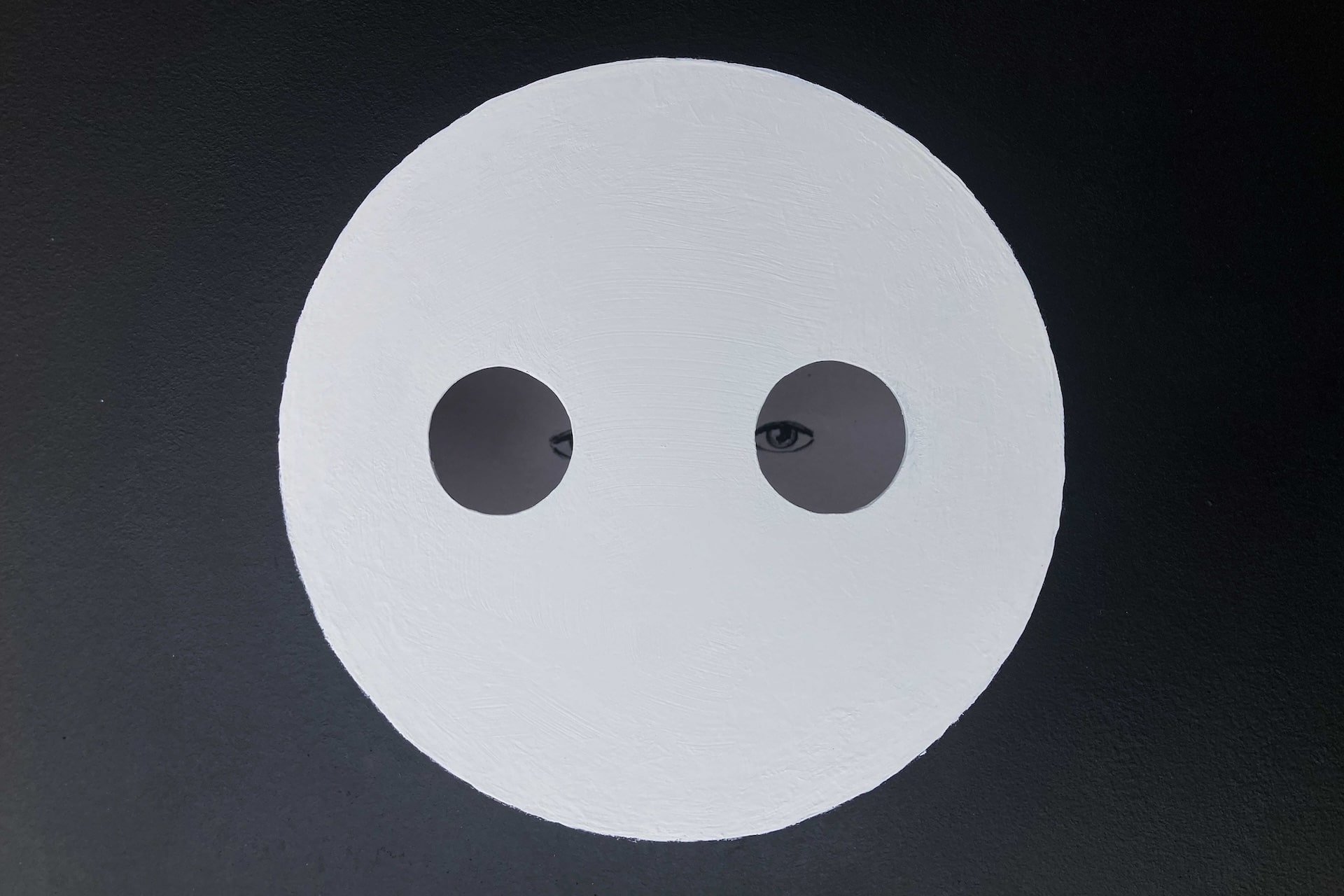
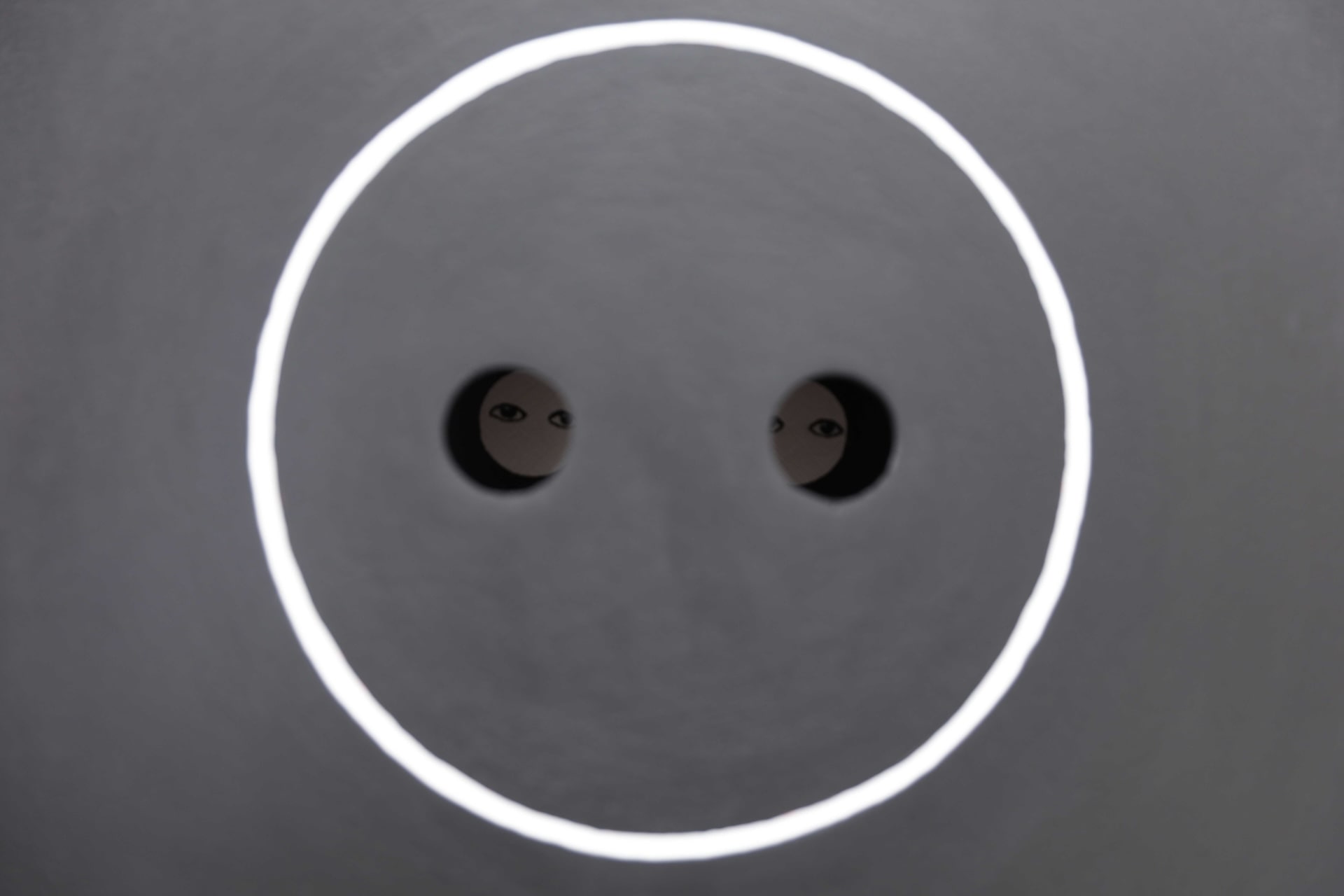
The sun is looking into the mirror at night
A small room size Camera Obscura, with 2 chairs and a projector inside, presents 2 channel moving images on two walls sides to the viewers. One is a video, projecting footages of the sun reflection on the earth in everyday life, and the other is the live upside-down reflection of the gallery. The black segments embodied within the video, would make the camera obscura effect much more visible.
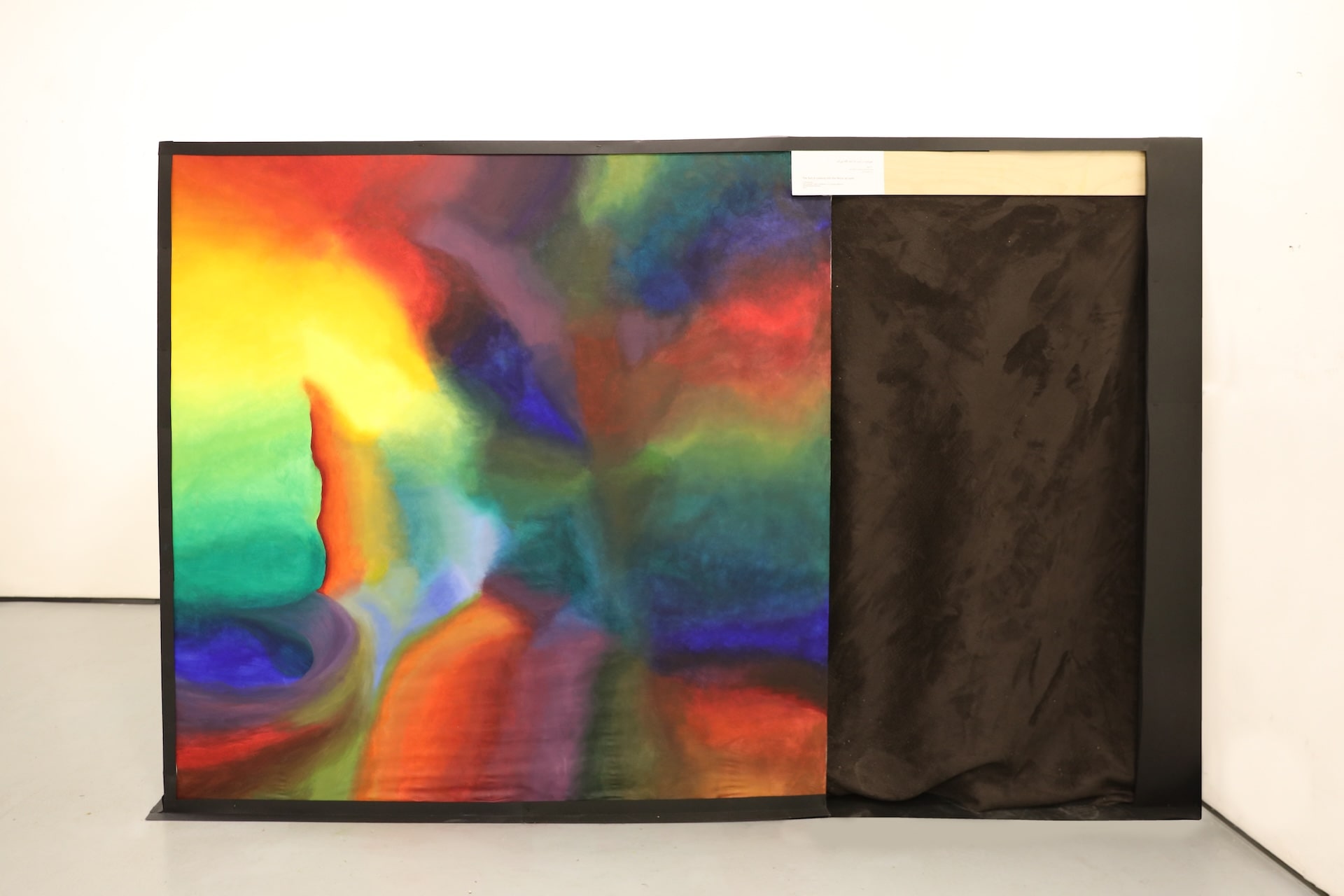
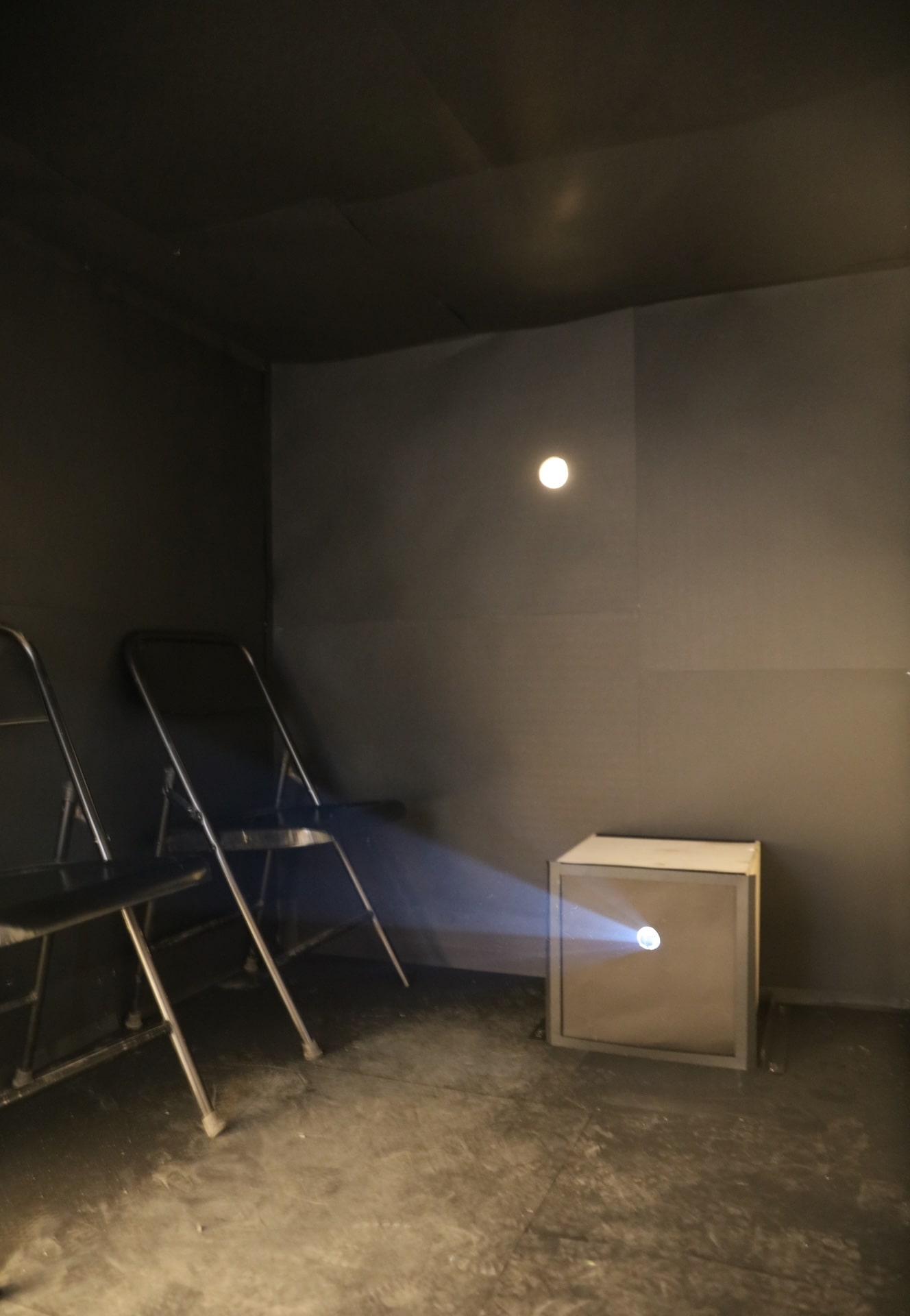
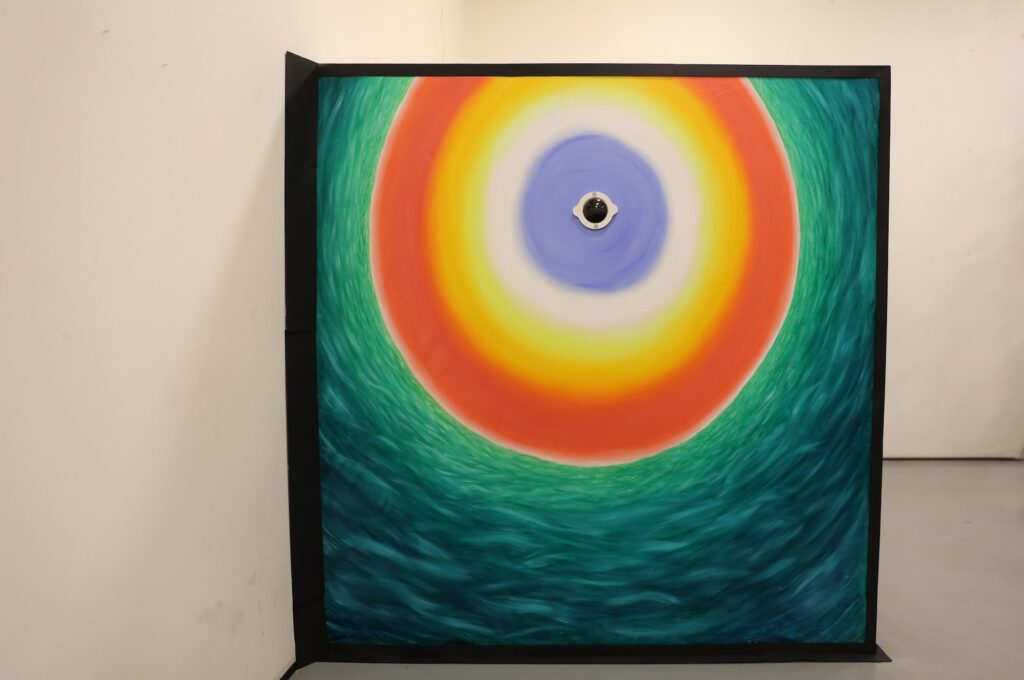
I will mirror the sun to you when you are in the dark
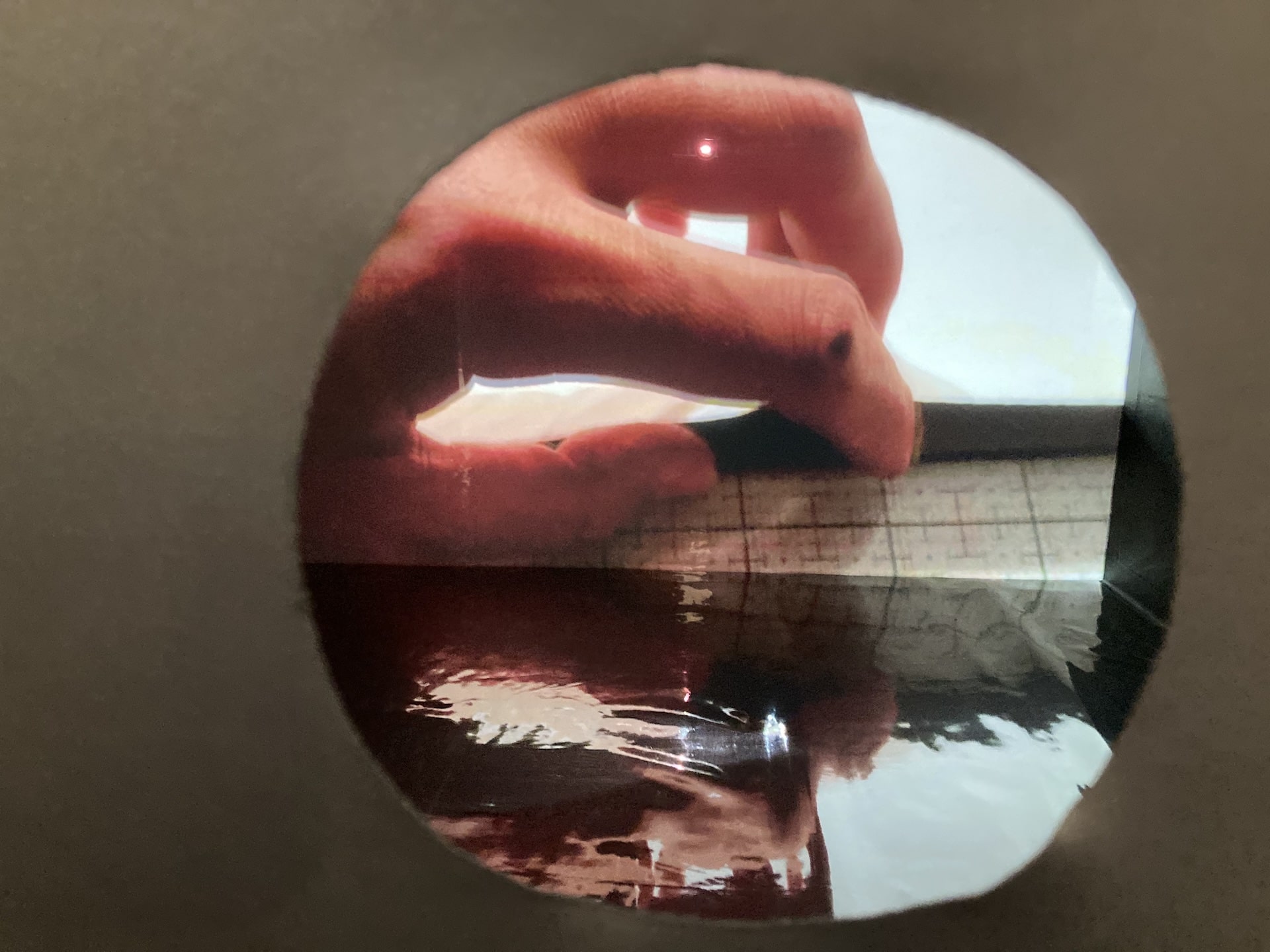
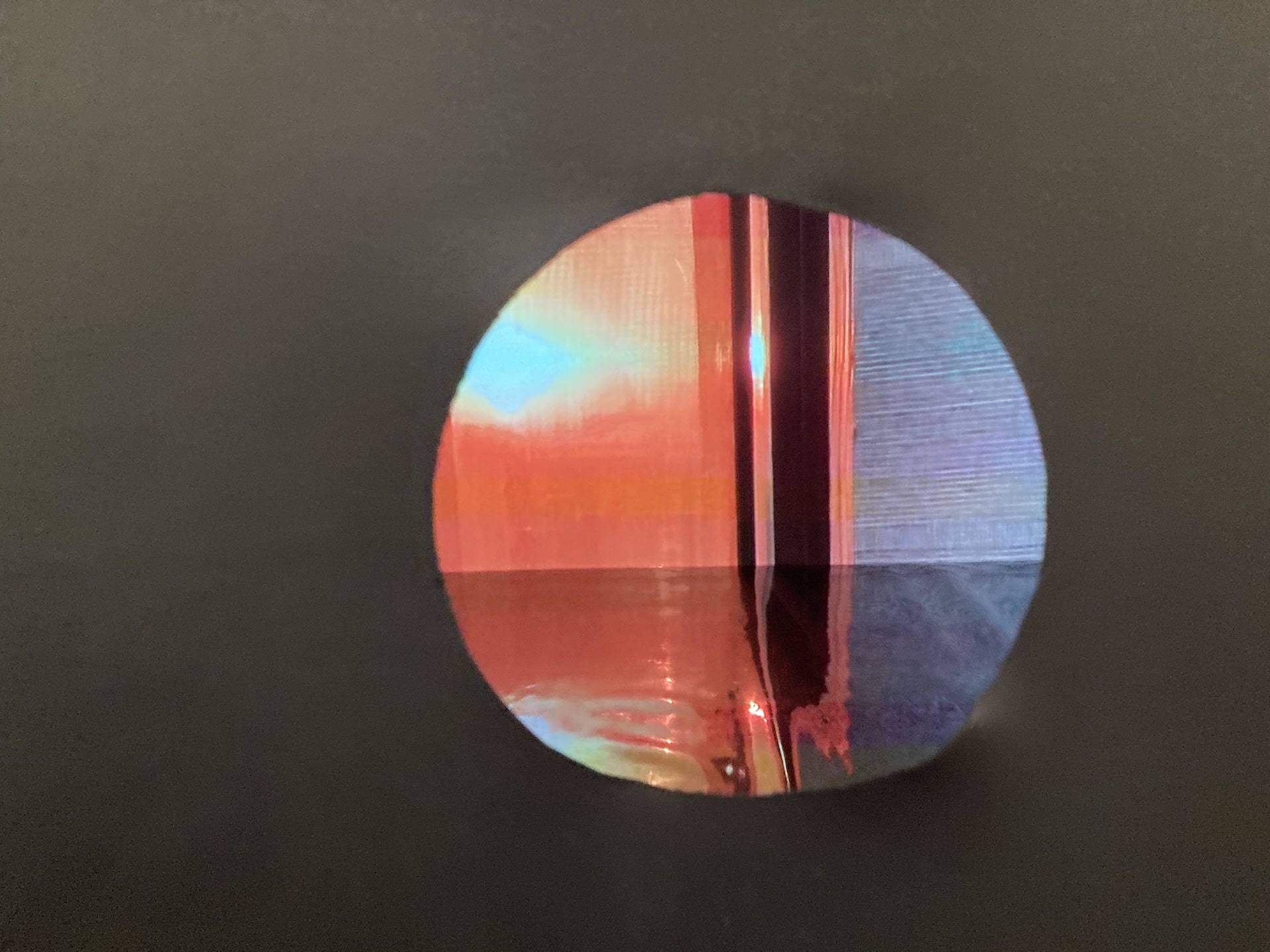
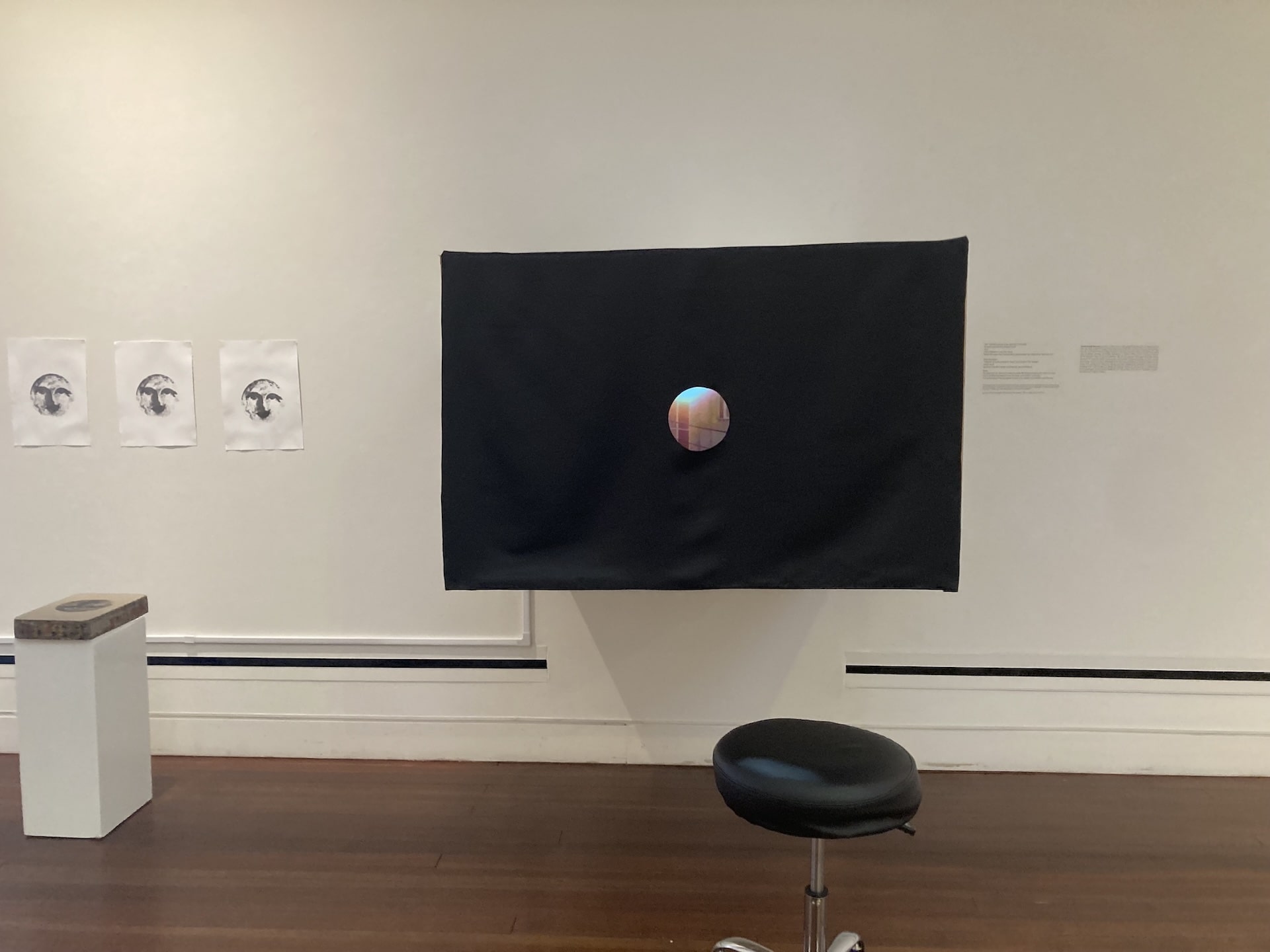
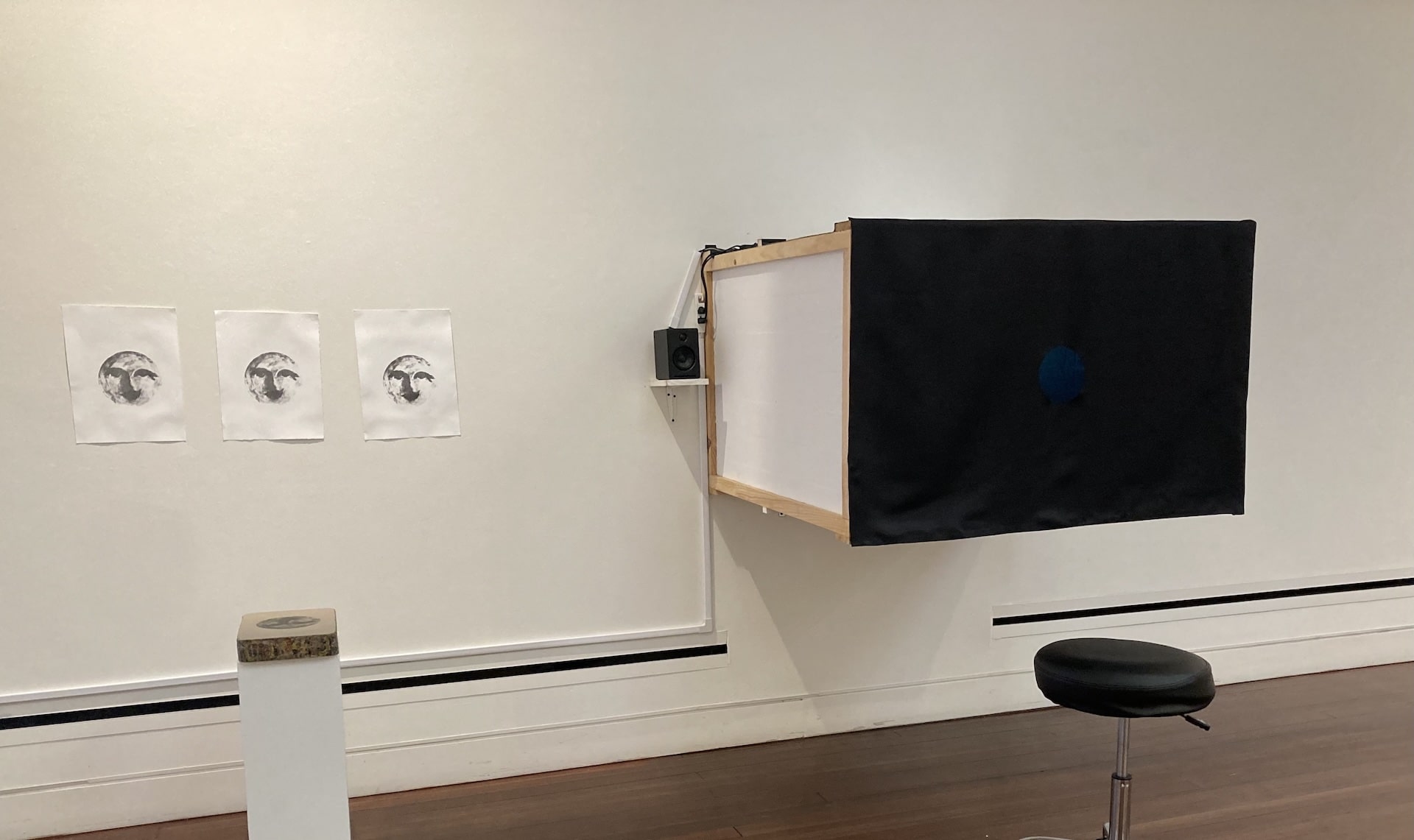
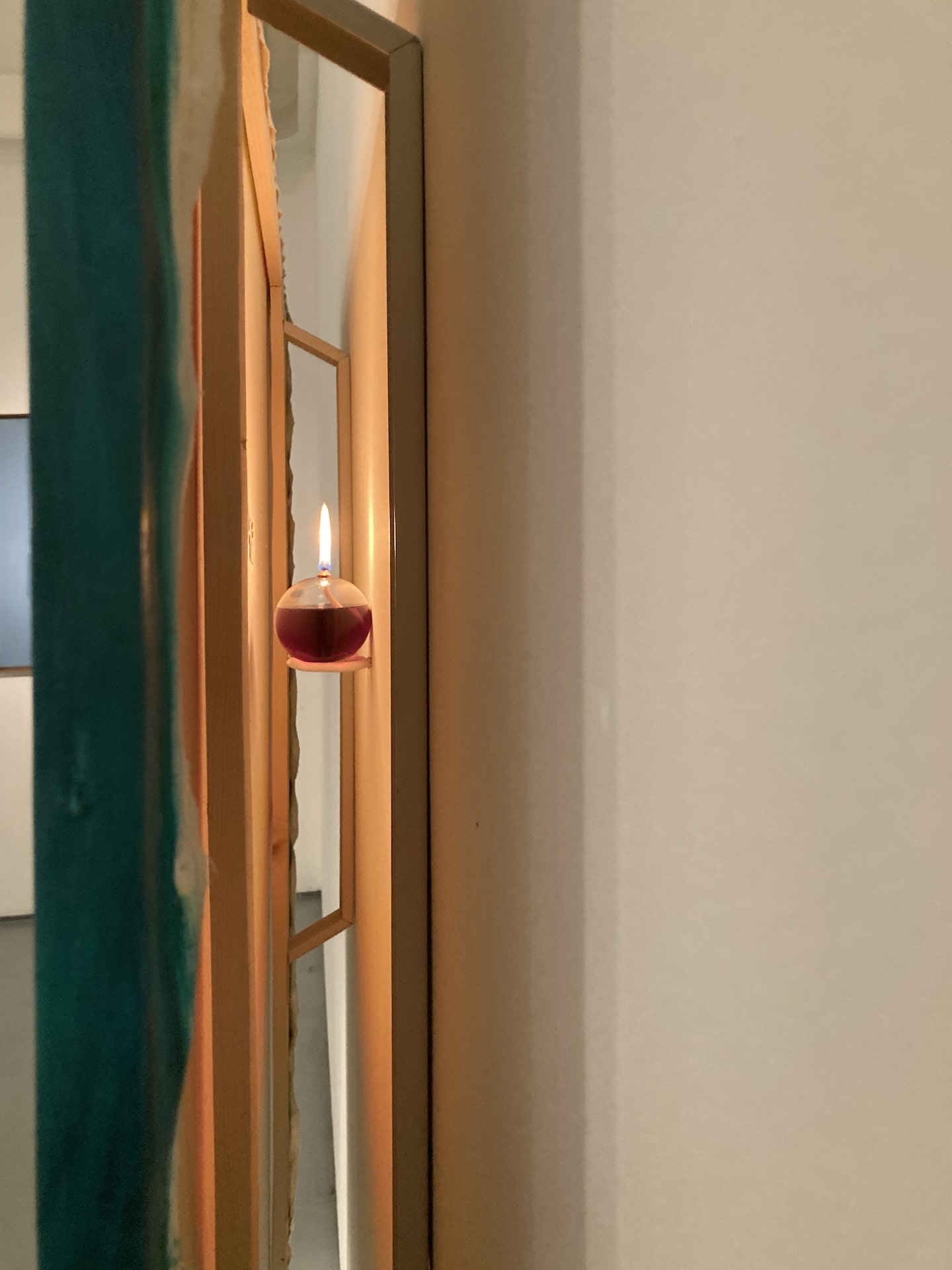
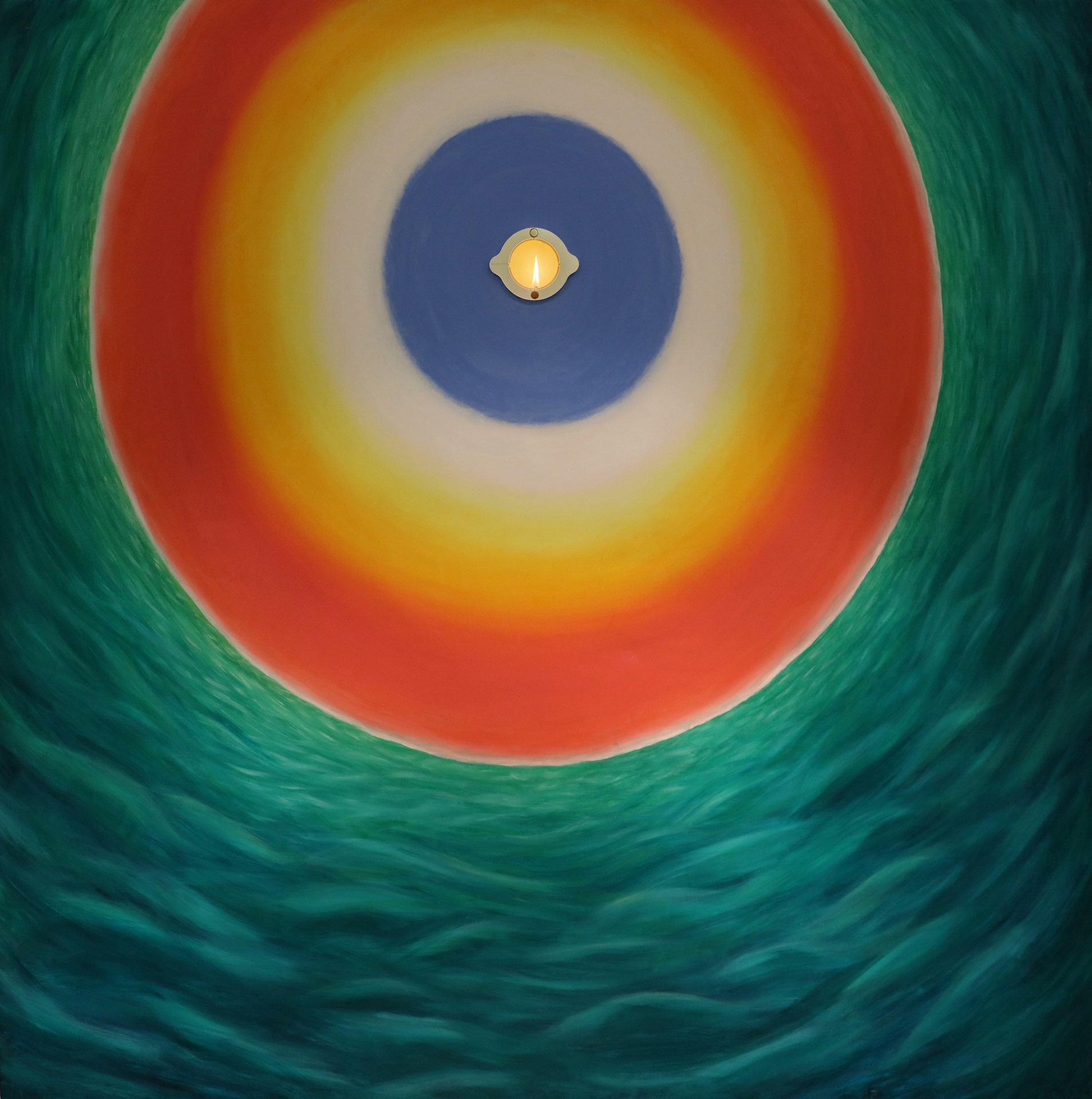
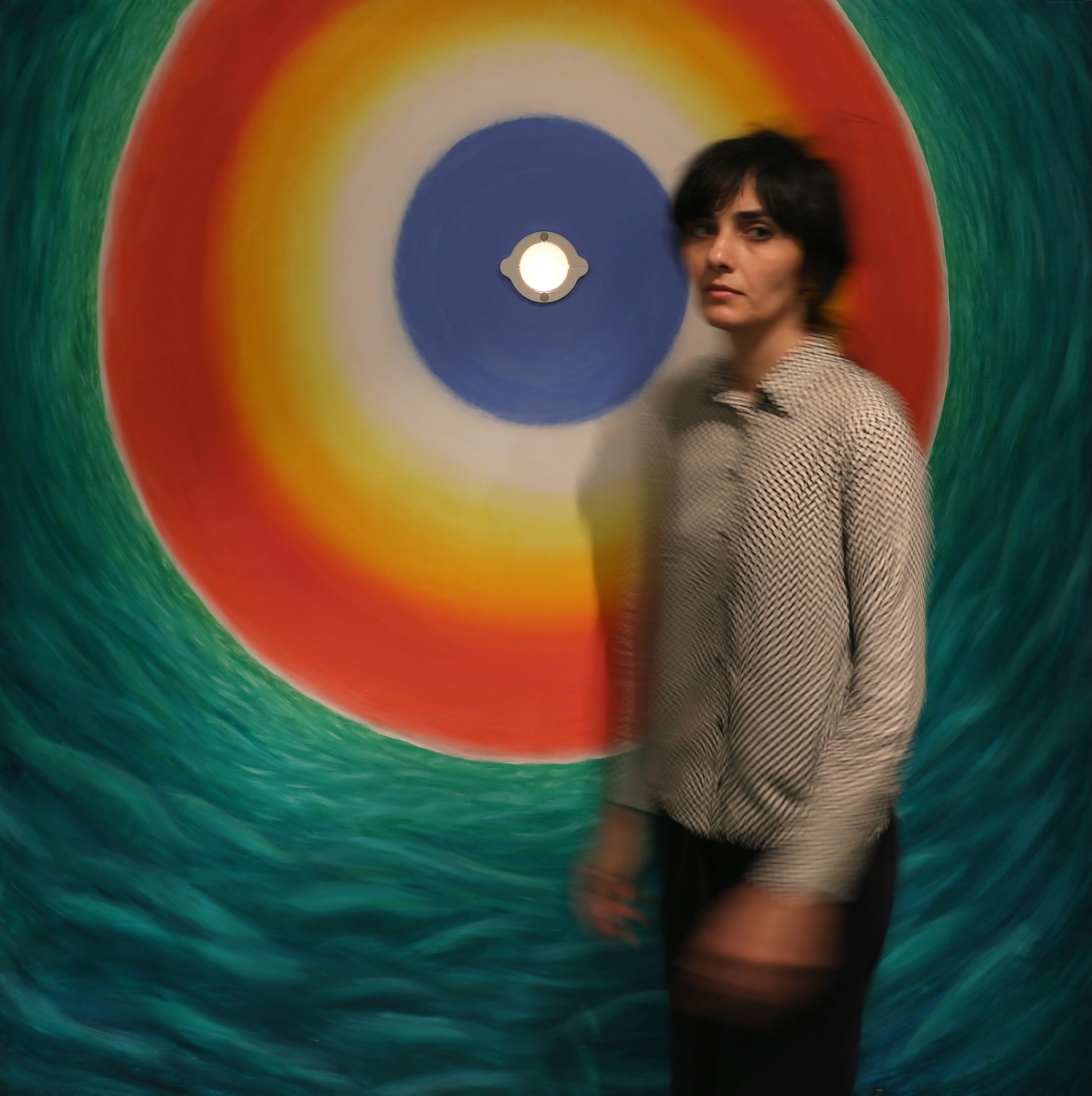
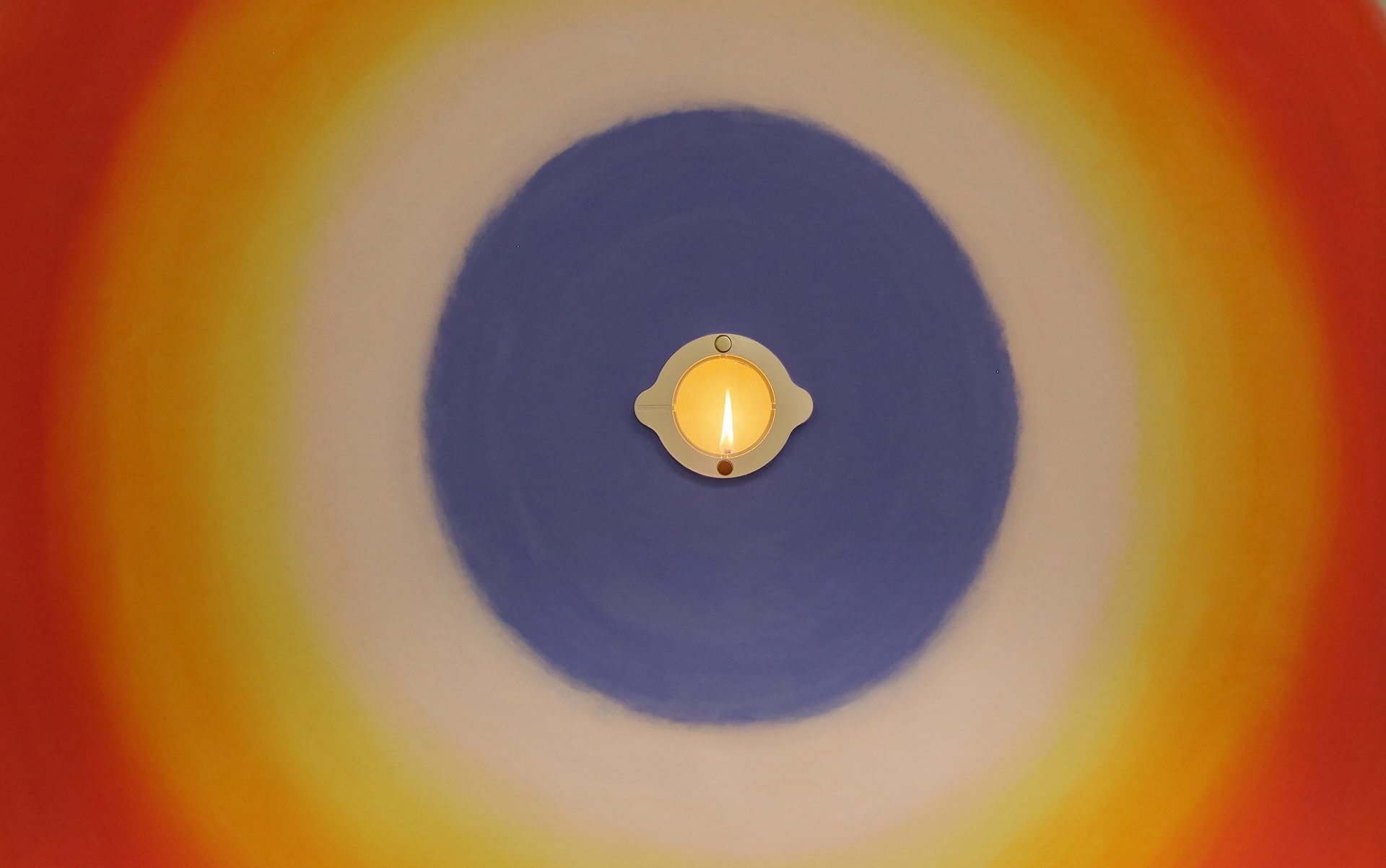
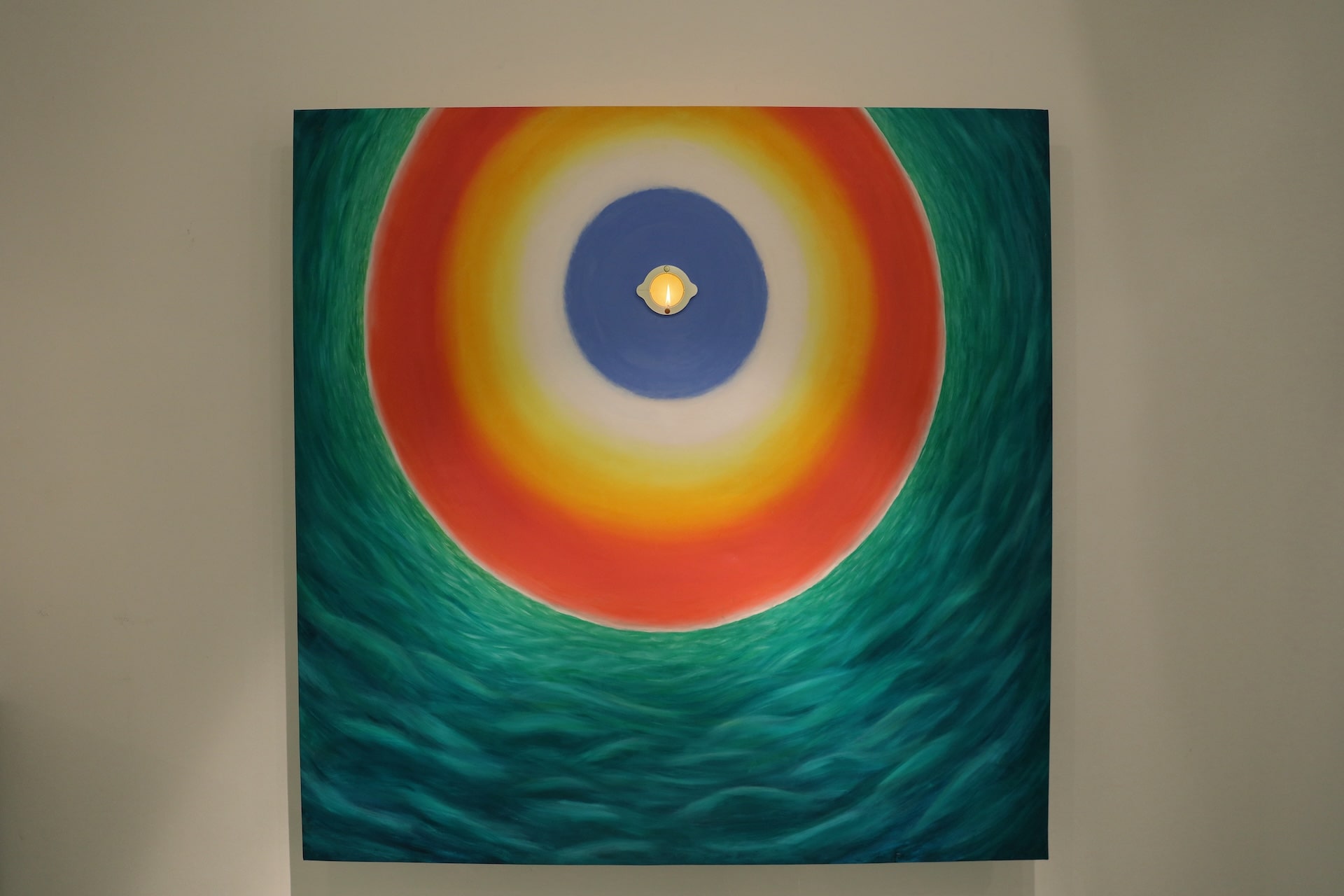
The Heart
Untitled or ID Photo
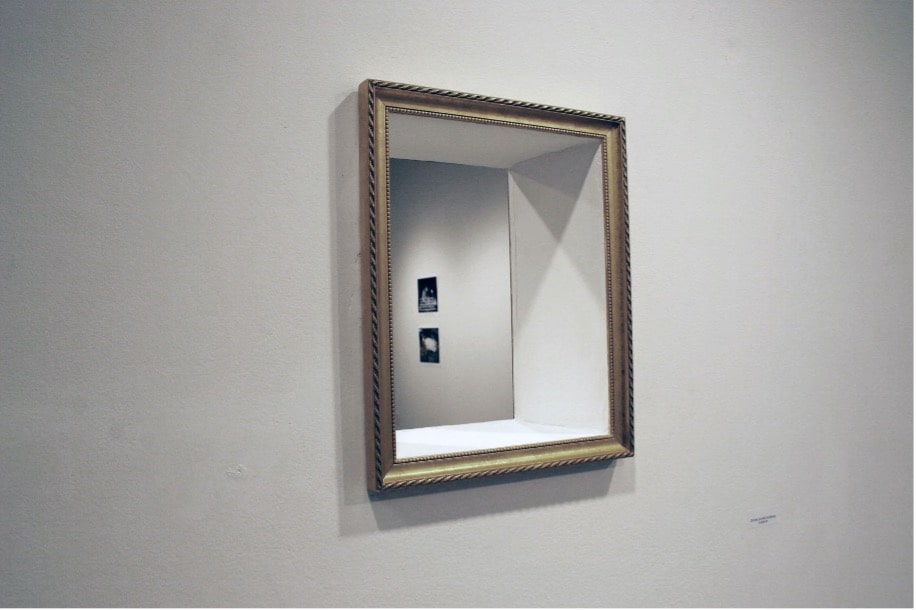
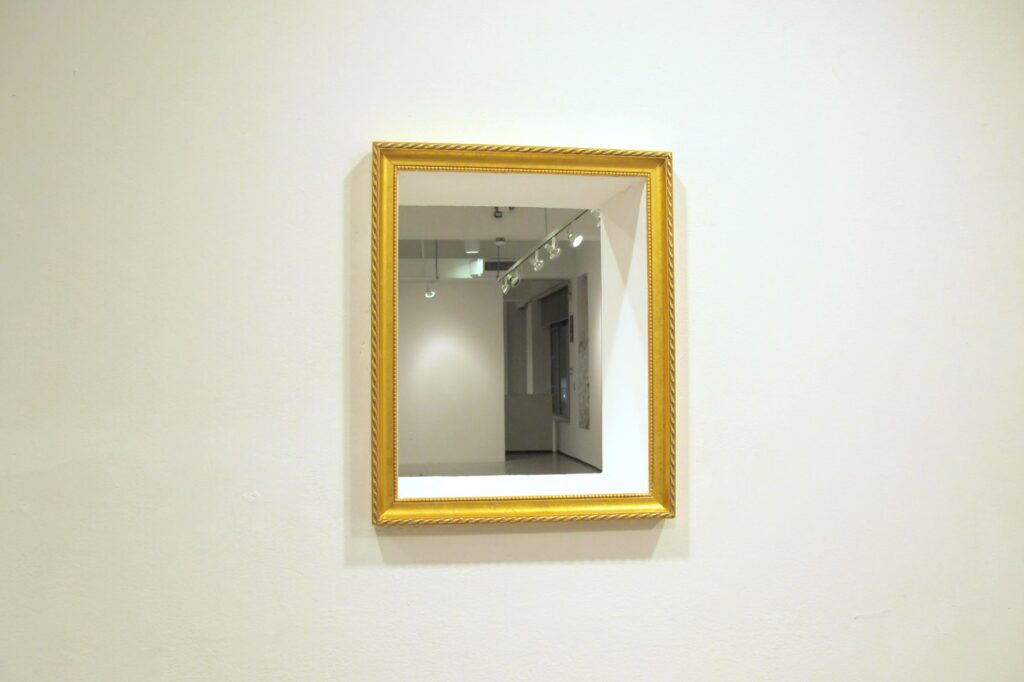
The installation was in the group show at a gallery, which divided the space into two and was situated in the middle. The work consisted of a rectangular framed opening on both sides. You could see both art works and people in the gallery through that.
After image
The repeated film of a face is screened on the wall of the gallery in a loop projection. A photograph of the same face is in the natural light with a live camera projecting that on the wall of the gallery space across the loop projection. The projected image of the photograph is bright in daylight and dark, as it gets darker as the day progresses.
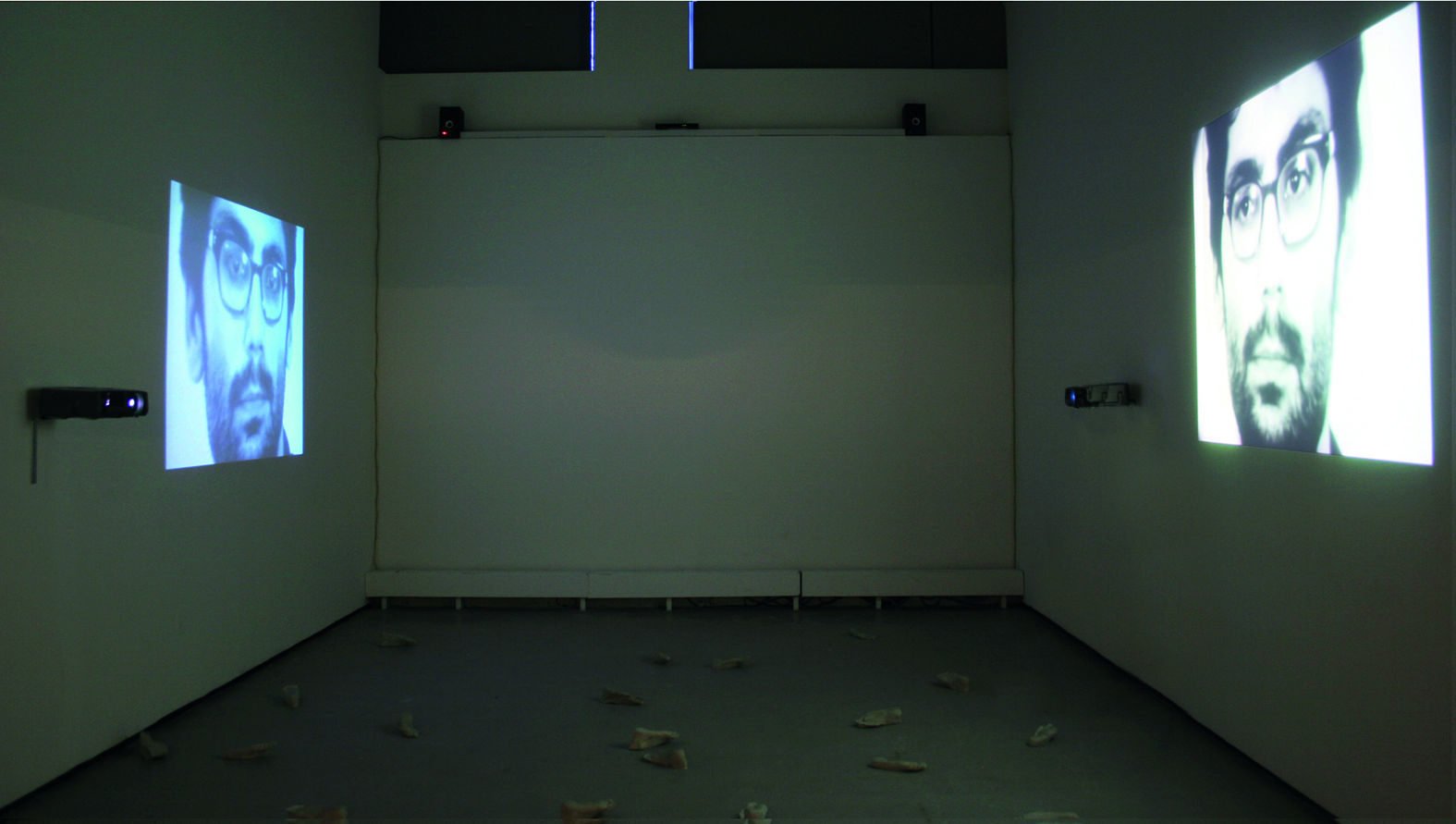
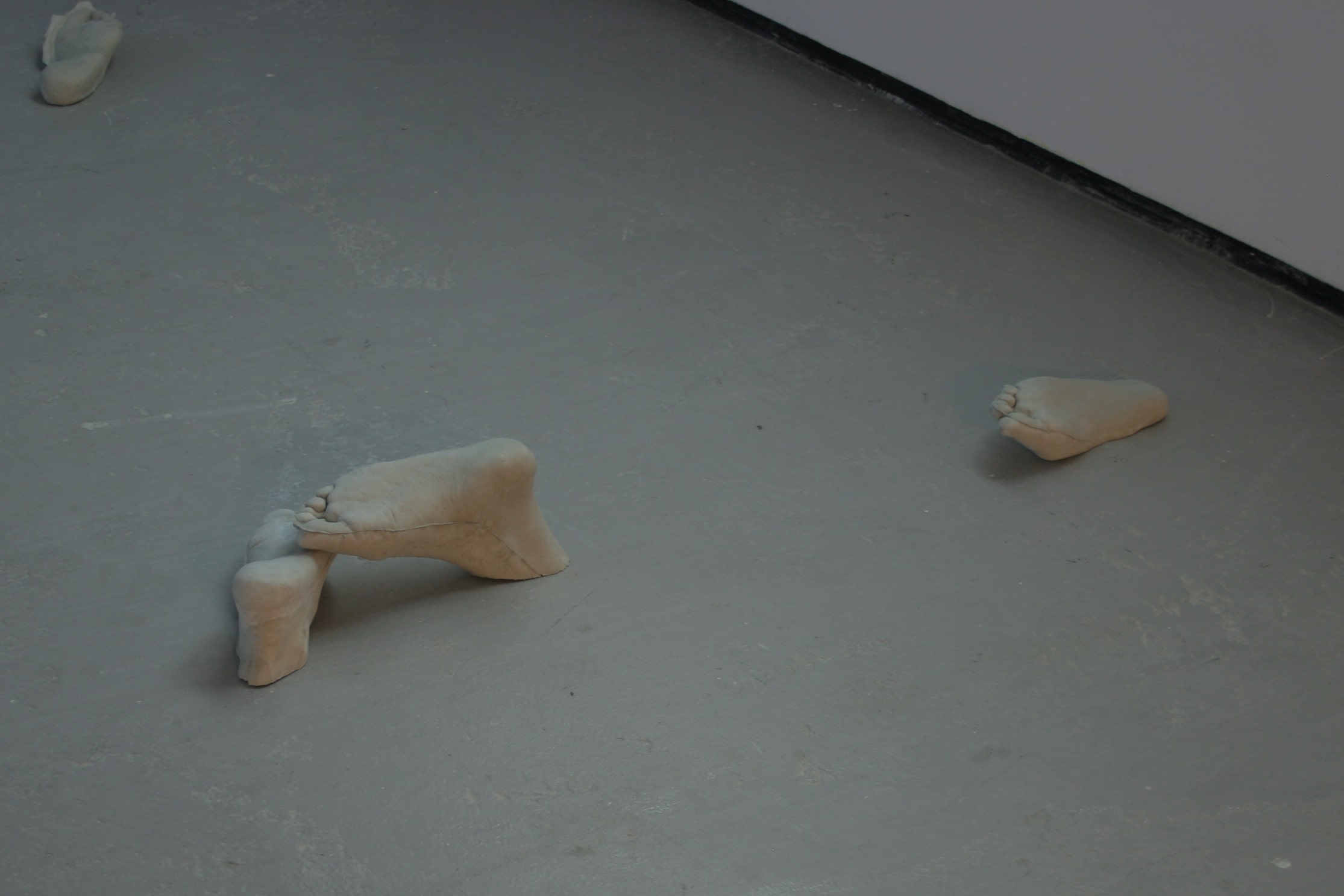
I projected my previous video “Artificial Respiration” on the wall, then I shot the projected video with a 35 mm photo camera in black and white while I shot the same video with a 16 mm film camera in black and white. In a loop projection, I screened the film on the wall of the gallery. For the still photo, I put the photograph in the natural light with a live camera projecting the live video on the wall of the gallery space across the loop projection. The sound of the shutter is also playing on a loop in the space, which is in sync with the blinking. Therefore the projected image of the photograph is bright in daylight and dark, as it gets darker as the day progresses until nighttime when the image is no longer visible. This process repeats itself each day. So there are two videos facing each other showing a man’s face.
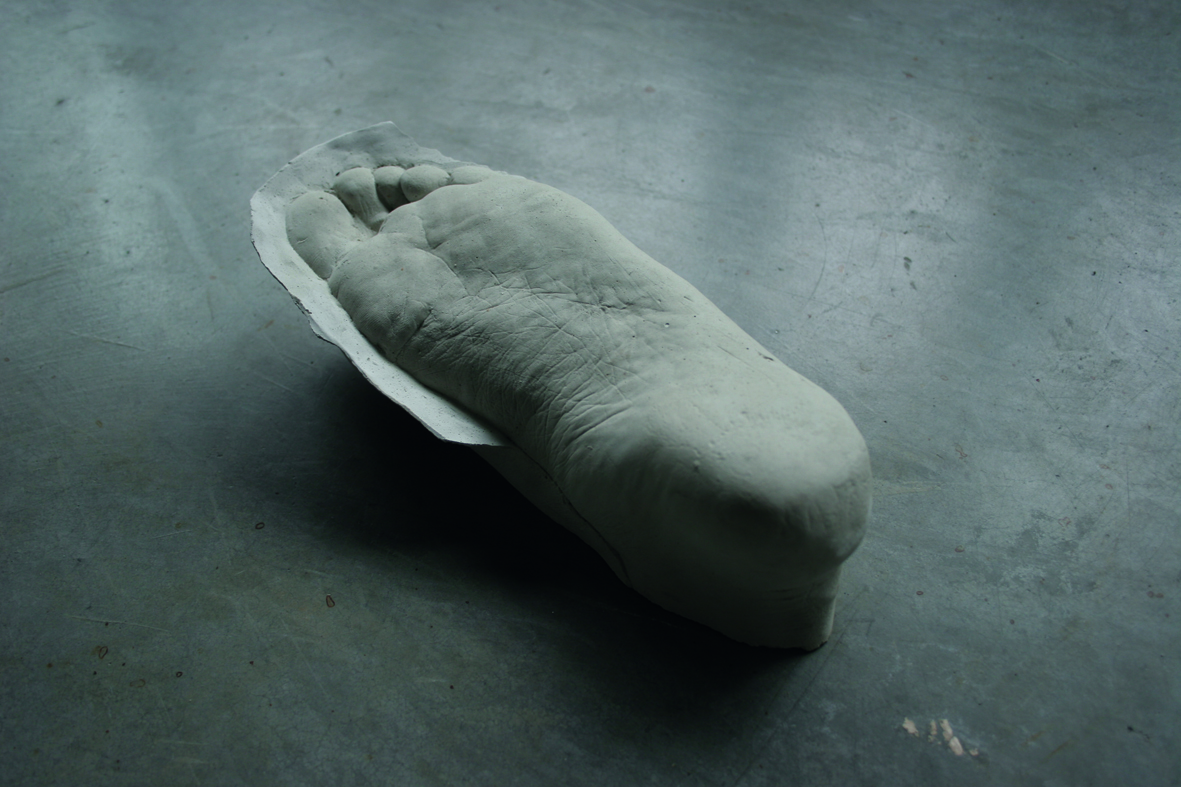
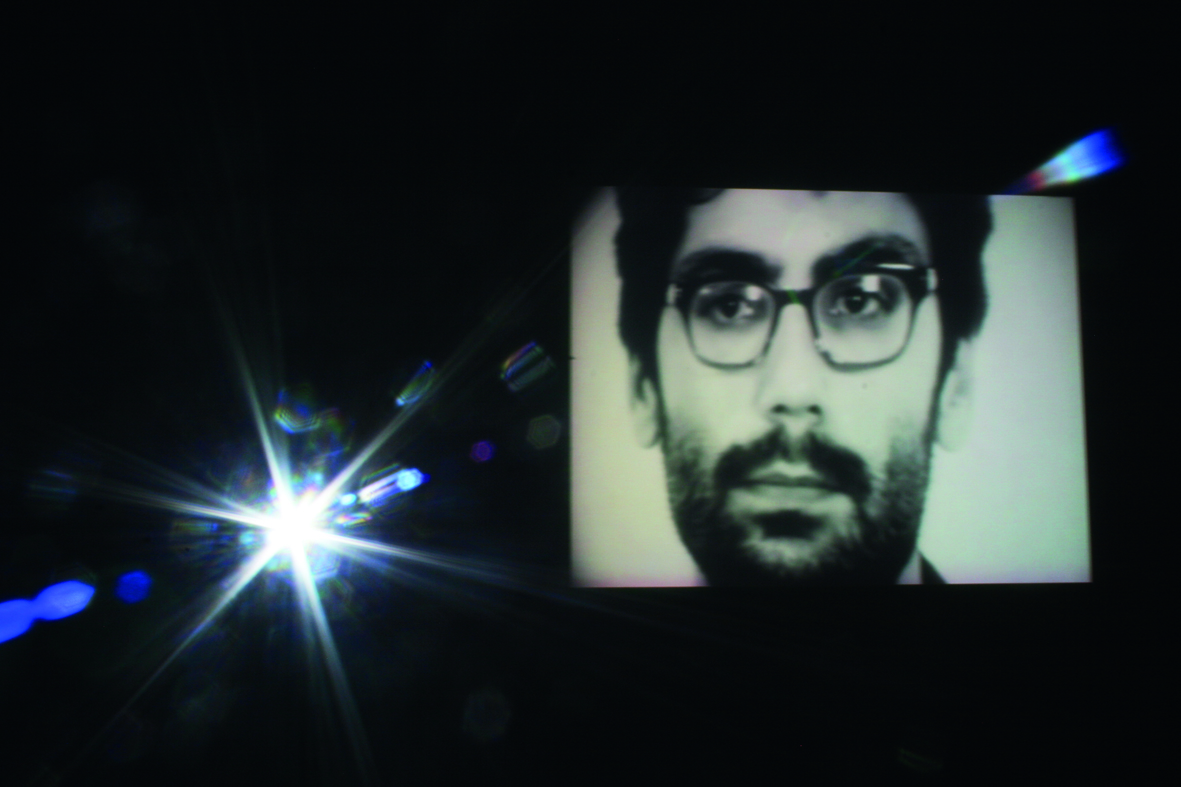
I tried to rescue a recorded instant by offering an alternative life for it within a loop or a “live” video.
*Artificial Respiration: This video shows a close-up of a man’s face; he is looking at the camera and blinking. The consistency of his persistent gaze makes you wonder if the continuity of the action is a simulation. My intention was to create a moving, breathing image out of a recorded moment.
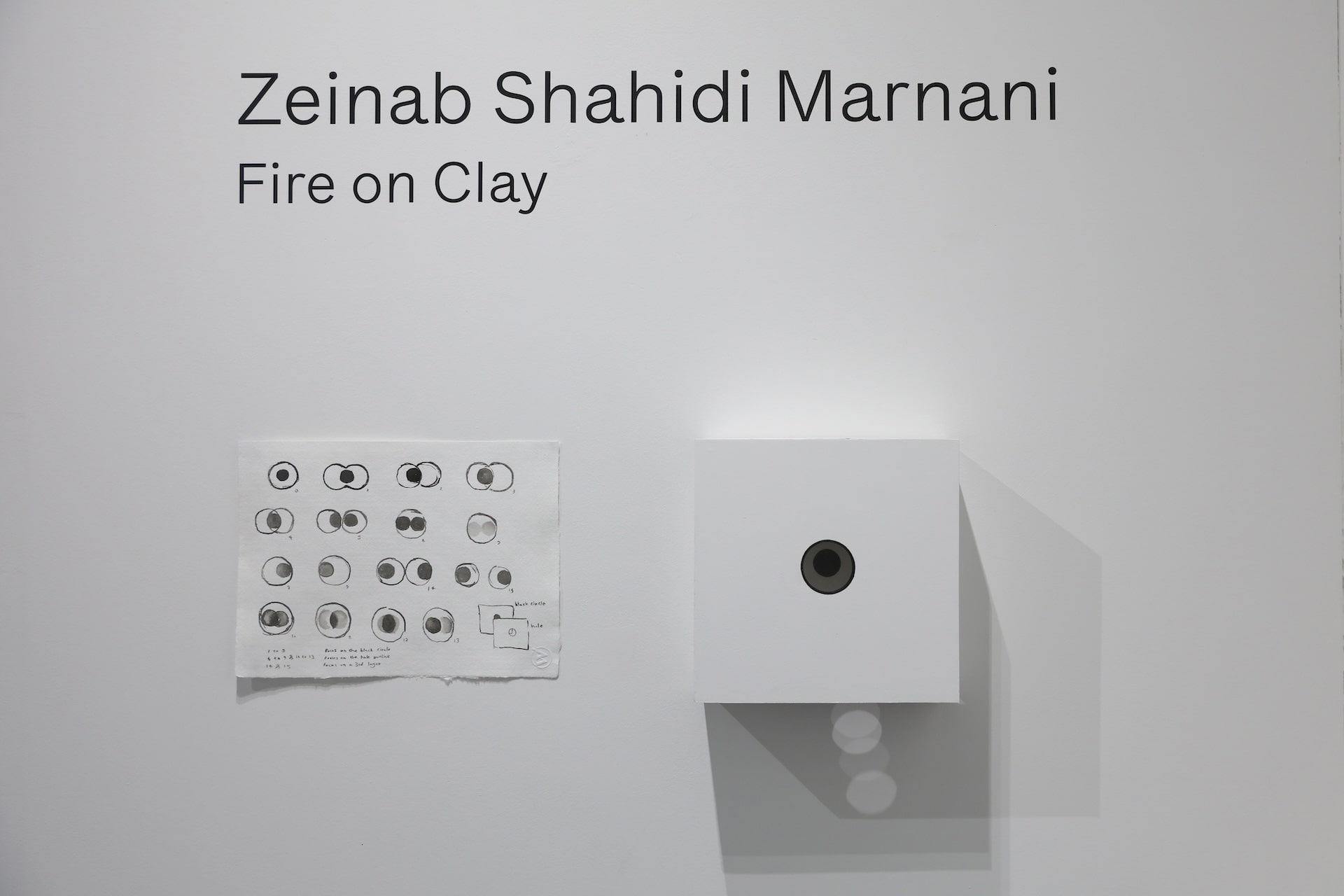
Fire on clay
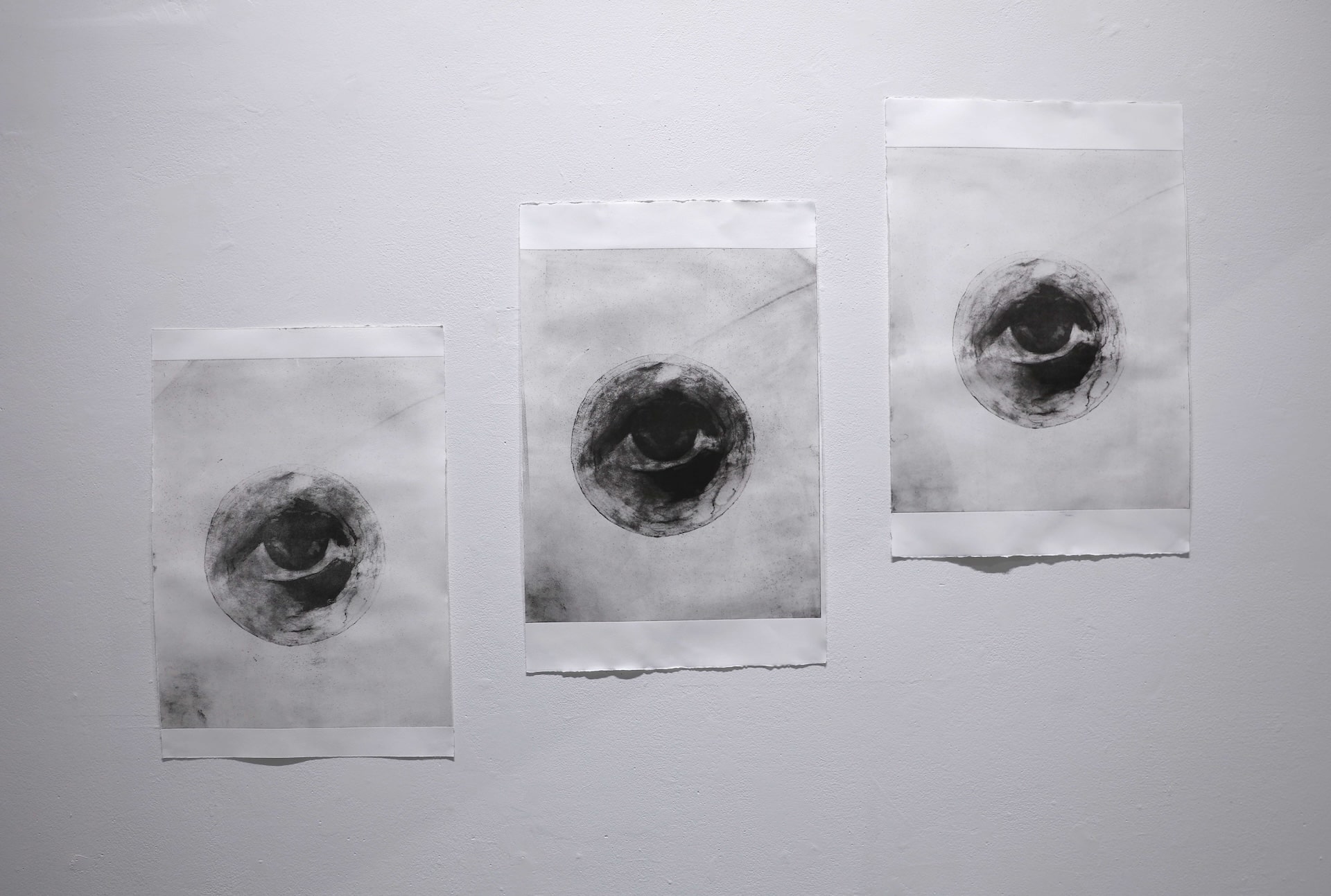
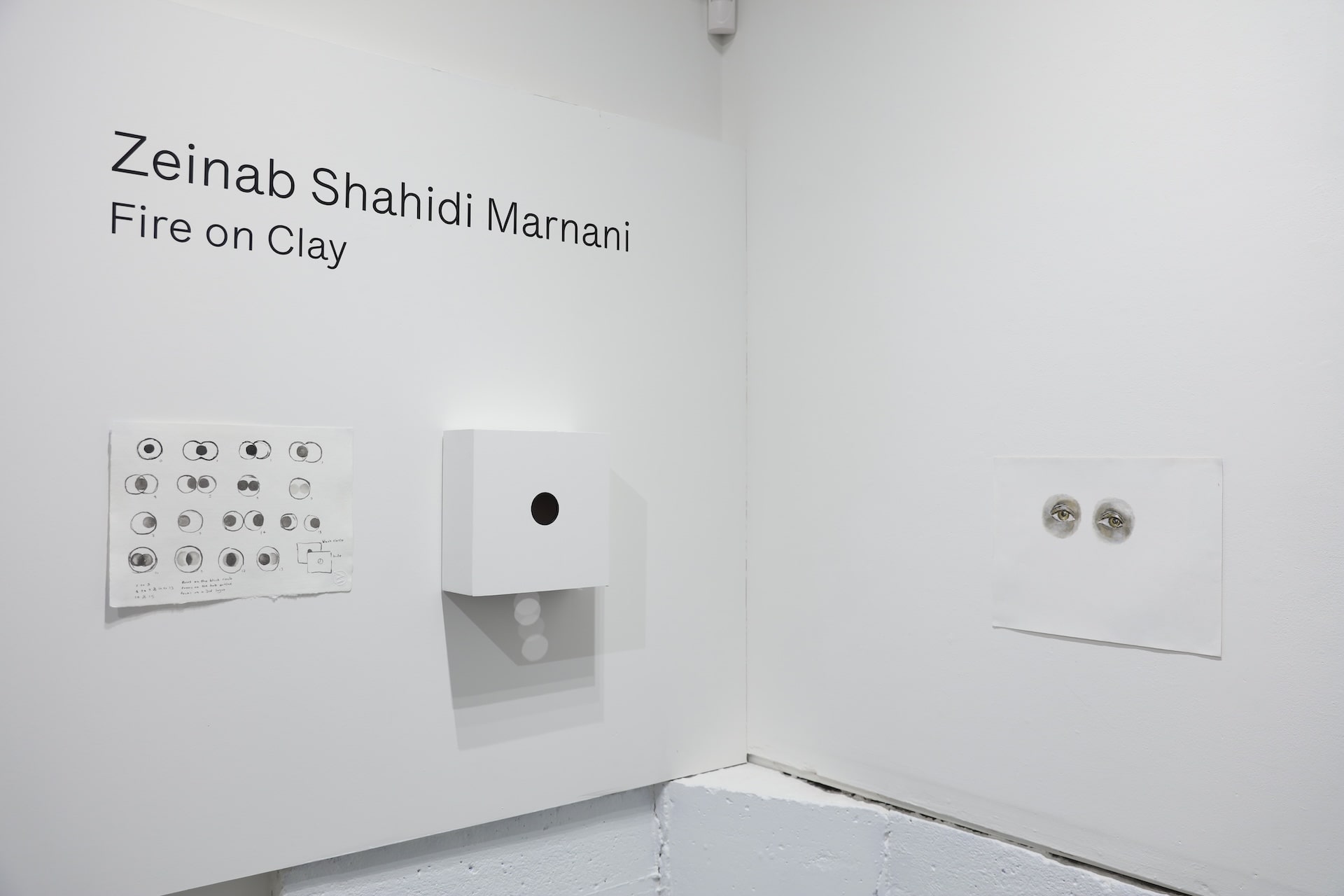
The title is: we both step and not step in the same River
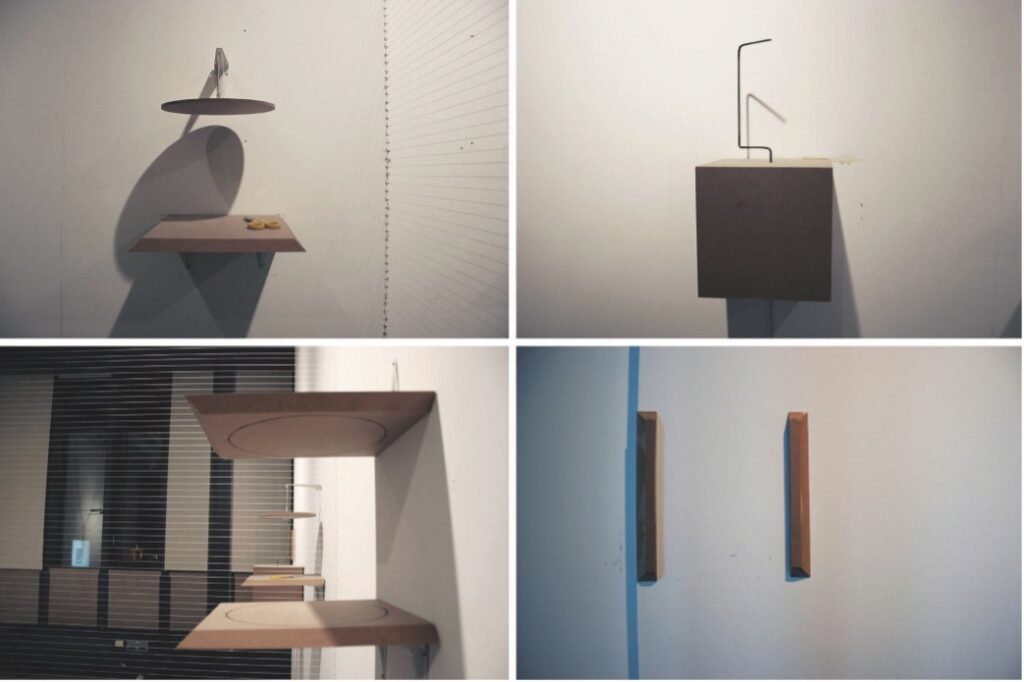
In this installation for the first step, I was more interested in whether I can use the material or volume to indicate the negative space.
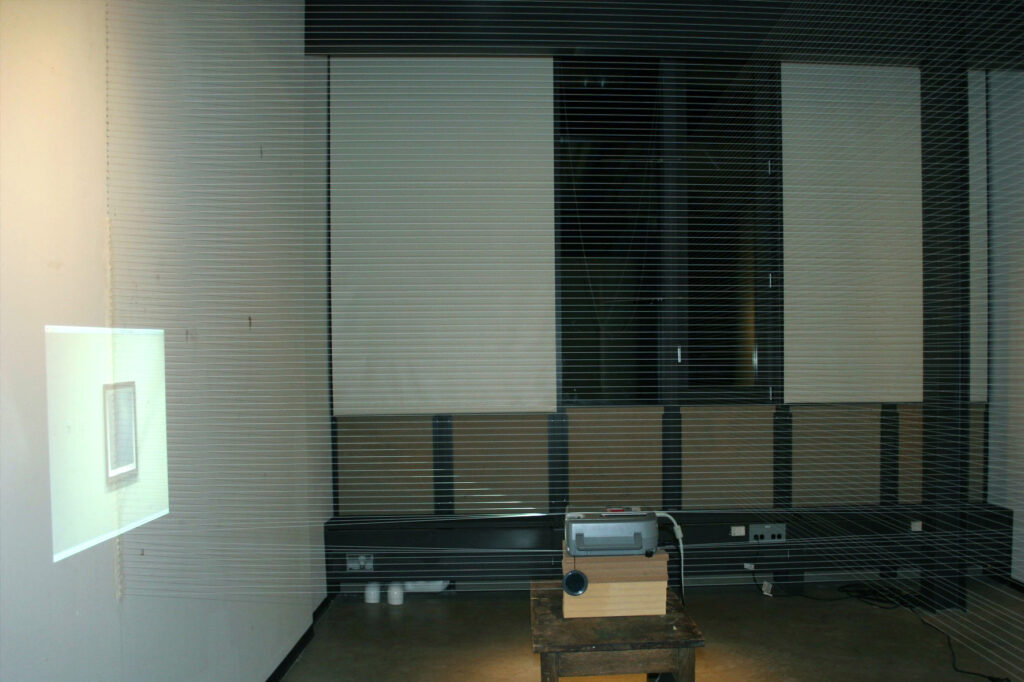
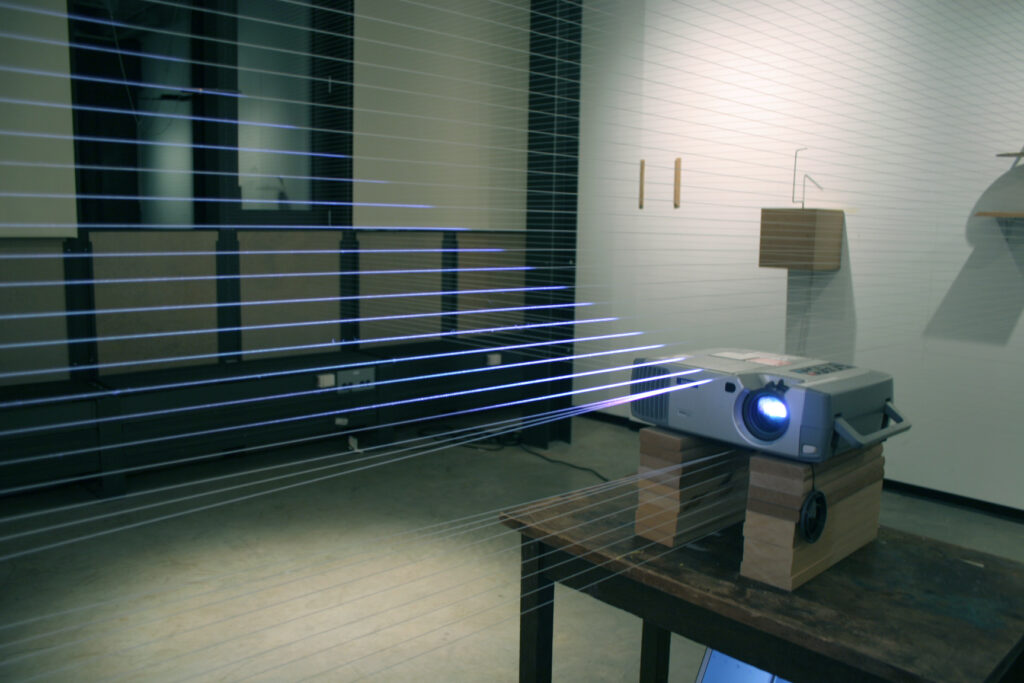
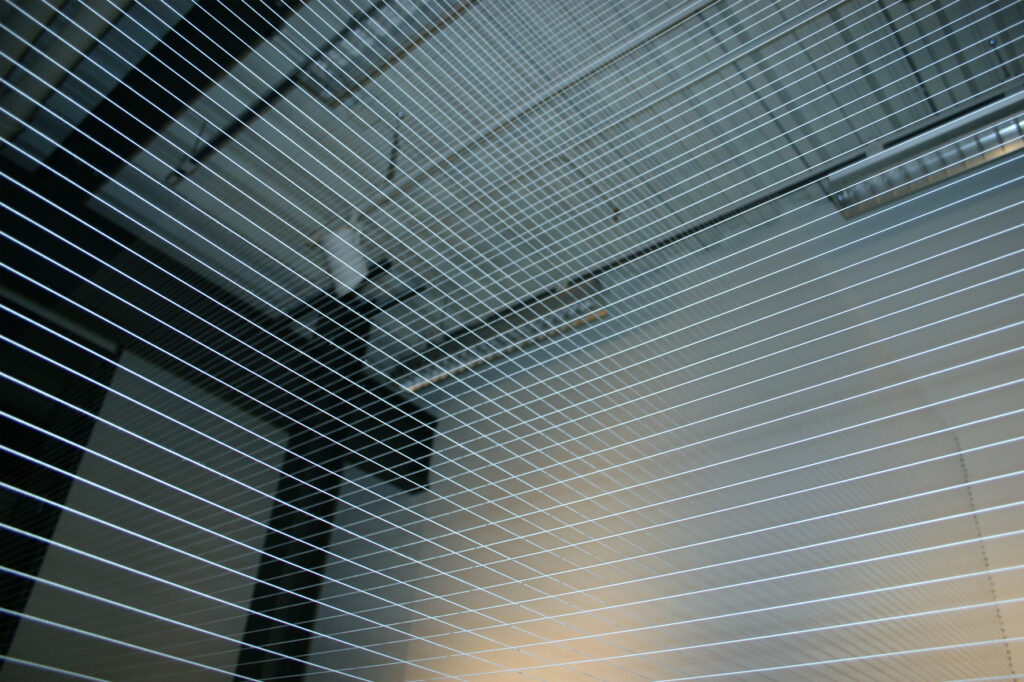
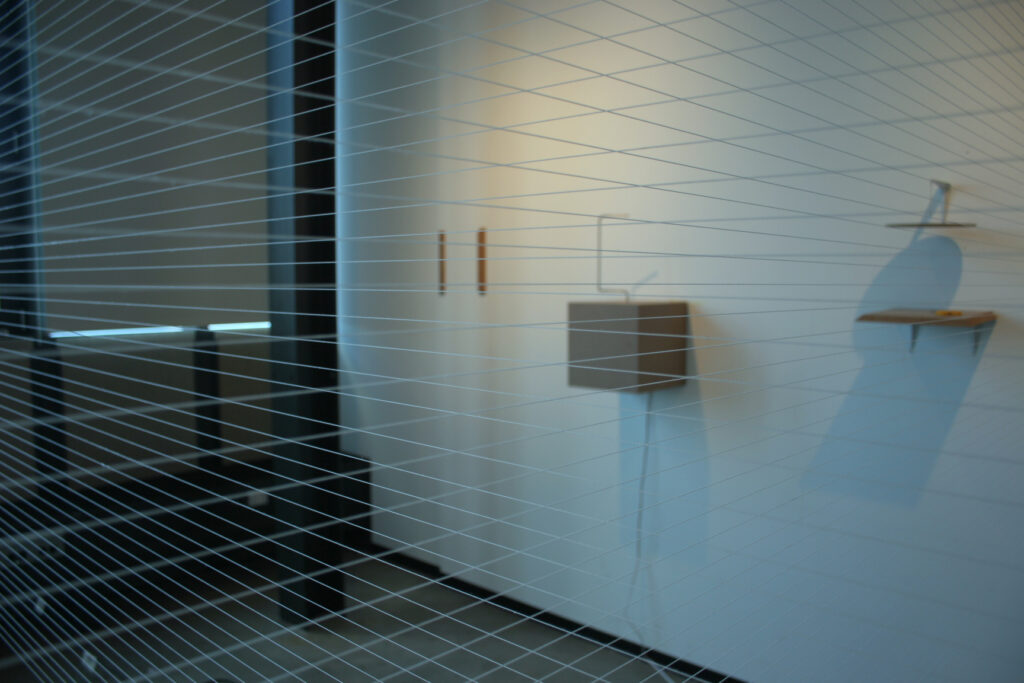
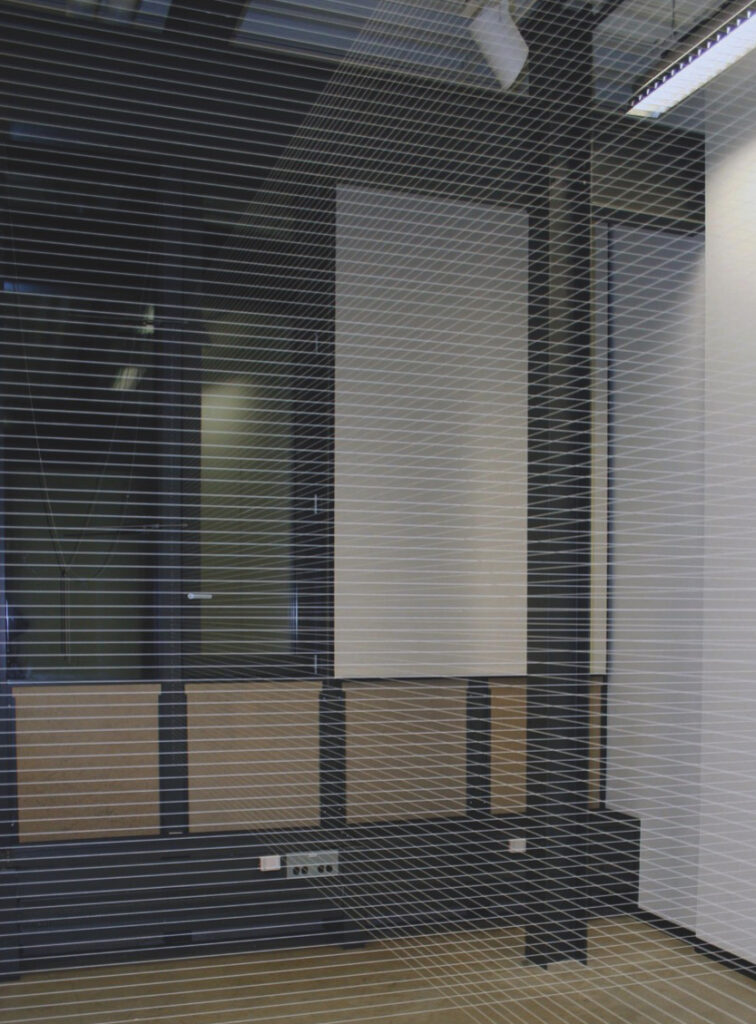
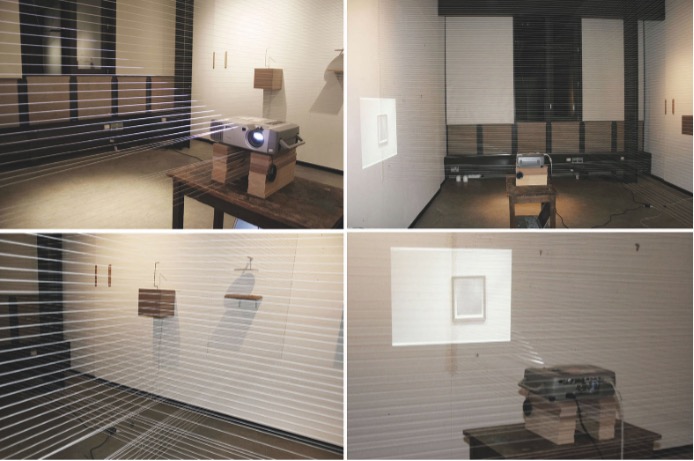
I started this installation by strings. I connected two opposite walls of my studio vertically from the center point by several parallel horizontal strings from one-meter lower than the top of the ceiling to one-meter upper than the bottom of the floor. So, it was possible to move around the space. Two groups of strings crossed each other at the center of the room without touching each other. So, you have a strong sense of a vertical line at the center of the room by connecting the imagined crosses points to each other. The line is compatible with the exact definition of line. It doesn’t have any thickness so it’s not made of volume or material, comes from connection between two dots (which don’t really exist in reality as well).
This work included a documented video of previous work of mine (next one in the documentation), which was a rectangle hole, which I had made into the middle wall in the gallery. The hole was framed from both sides. The title of that work was “untitled or ID photo”. You could see whether other art works or people in the gallery through that. I shot the hole from both sides by a video camera. I projected the first video through strings on a wall of my studio, and the other one on the other side of the same wall exactly at the same place as the first one in my neighbor studio. In this part even the story of the negative space in the wall doesn’t have its material/ volume.